Categories
Ear Health Health & Wellness

Ears and Balance: Exploring Their Complex Relationship

Our sense of balance is a fundamental aspect of our daily experiences, allowing us to navigate our surroundings with confidence and stability. Although it may not always be at the forefront of our minds, our ears play an indispensable role in maintaining this delicate equilibrium. In this article, we will delve into the fascinating connection between our ears and balance, investigating the anatomy of the ear, its critical contributions to balance, common balance disorders, and effective techniques for preserving ear health.

Explore the Complex Anatomy of the Ear and Its Crucial Impact on Balance

To fully comprehend how our ears influence balance, it is vital to familiarise ourselves with their intricate anatomy. Our ears consist of three main sections: the outer ear, the middle ear, and the inner ear, each of which plays a significant role in our auditory experience and balance.

Discover the Outer Ear’s Function in Sound Collection and Balance Maintenance

Detailed anatomical illustration of outer ear, showing pinna and ear canal directing sound waves to middle ear.

The outer ear, which comprises the pinna and the ear canal, is the visible part of the ear that we are most familiar with. Its primary function is to collect and channel sound waves towards the middle ear, effectively initiating the hearing process and contributing to our sense of balance.

The pinna, also referred to as the auricle, represents the external part of the outer ear and plays an essential role in capturing sounds from our environment. Acting as a funnel, it directs sound waves into the ear canal, a narrow, tube-like structure that transports these sound waves deeper into the ear, facilitating the entire auditory experience.

Gain Insight into the Middle Ear’s Vital Role in Sound Transmission

The middle ear, located between the outer ear and the inner ear, contains three tiny bones known as the ossicles: the malleus (hammer), incus (anvil), and stapes (stirrup). These bones are crucial for transmitting sound vibrations from the eardrum to the inner ear, ensuring effective hearing and contributing to our balance.

The eardrum, or tympanic membrane, acts as a barrier separating the outer ear from the middle ear. When sound waves hit the eardrum, it vibrates, causing the ossicles to move. This movement amplifies the sound and facilitates its transfer to the inner ear, ensuring that we can hear clearly and maintain our sense of equilibrium.

Investigate the Inner Ear’s Critical Functions in Hearing and Balance

The inner ear is a sophisticated structure that plays a dual role in both hearing and balance. It comprises two main components: the cochlea, which converts sound waves into electrical signals for the brain to interpret, and the vestibular system, essential for maintaining balance and spatial orientation.

The cochlea is a spiral-shaped organ filled with fluid. When sound vibrations reach it, they create ripples in the fluid, stimulating tiny hair cells that line the cochlear walls. These hair cells convert the vibrations into electrical signals that are sent to the brain via the auditory nerve, enabling us to perceive sound.

The vestibular system, located within the inner ear, is vital for detecting motion and maintaining balance. It consists of three semicircular canals and two otolith organs. The semicircular canals are responsible for sensing rotational movements, while the otolith organs detect linear movements and changes in head position, both of which are crucial for maintaining stability.

Comprehend the Vestibular System’s Integral Role in Balance Maintenance

Anatomical illustration of the inner ear's vestibular system and its role in balance maintenance.

The vestibular system, an intricate network of fluid-filled canals and sensory organs located in the inner ear, is crucial for sustaining our sense of balance. This system operates in conjunction with our visual system and proprioception (sensory input from muscles and joints) to provide a comprehensive understanding of our body’s position and movements in space.

Understand the Mechanism of the Vestibular System: How It Functions

The vestibular system comprises three semicircular canals positioned in distinct planes: the anterior, posterior, and horizontal canals. Each of these canals contains fluid and hair cells that are sensitive to changes in the head’s position and rotational dynamics.

As we move our heads, the fluid within the semicircular canals shifts accordingly. This movement activates the hair cells, which send signals to the brain regarding the direction and speed of our head movements. The brain synthesises this information with visual cues and proprioceptive feedback to effectively maintain balance and stability.

The otolith organs, which include the utricle and saccule, are responsible for detecting linear movements and changes in head position relative to gravity. These organs house tiny calcium carbonate crystals known as otoliths, which shift in response to gravitational forces and head movements. As the otoliths move, they bend the hair cells, generating electrical signals that are conveyed to the brain.

Recognise Common Balance Disorders: Understanding Their Effects

When the vestibular system encounters dysfunction, it can result in various balance disorders. Some of the most common disorders include:

  1. Vertigo: This condition is characterised by a sensation of spinning or dizziness, often accompanied by nausea and feelings of unsteadiness. Vertigo can stem from issues within the inner ear or complications in the brain’s processing of balance signals.

  2. Labyrinthitis: This ailment refers to the inflammation of the inner ear, usually resulting from an infection, which can lead to vertigo and hearing loss. It often causes temporary disruptions in the vestibular system, leading to balance difficulties.

  3. Meniere’s disease: This disorder is characterised by recurrent episodes of vertigo, hearing loss, tinnitus (ringing in the ears), and a sensation of fullness in the affected ear. It is believed to result from an abnormal accumulation of fluid in the inner ear.

  4. Benign paroxysmal positional vertigo (BPPV): This condition is caused by the dislocation of small calcium crystals within the inner ear, leading to brief episodes of vertigo triggered by specific head movements. BPPV is recognised as one of the most prevalent causes of vertigo.

Implement Effective Strategies to Maintain Ear Health and Enhance Balance

A person practicing yoga on a cliff, with visible ear structures, symbolizing ear health and balance.

While certain balance disorders may require medical intervention, numerous proactive measures can be taken to ensure optimal ear health and support our balance:

1. Protect Your Ears from Harmful Loud Noises

Exposure to loud sounds can damage the delicate structures within the inner ear and potentially lead to balance issues. It is advisable to use ear protection, such as earplugs or earmuffs, when in noisy environments, such as concerts or construction sites. This simple precaution can help safeguard your hearing and balance.

Furthermore, it is crucial to avoid inserting objects, like cotton swabs, into the ear canal, as this can cause injury and increase the risk of infections. Keeping your ears safe is a vital component of preserving both hearing and balance.

2. Stay Active to Improve Balance and Coordination

Participating in regular physical activity is key to enhancing balance and coordination. Engaging in exercises like yoga, tai chi, or simply maintaining a routine of consistent walks can significantly strengthen the muscles and systems responsible for sustaining balance.

Practices such as yoga and tai chi focus on balance, flexibility, and body awareness, which are crucial for improving proprioception and overall control of balance. Staying active not only benefits physical health but also contributes positively to mental well-being.

3. Treat Infections Promptly to Avoid Complications

Infections, such as otitis media (middle ear infection), can adversely affect balance. If you experience symptoms such as ear pain, discharge, or dizziness, it is crucial to seek prompt medical attention to prevent any potential complications that could arise.

Treatment for ear infections may involve antibiotics, pain relievers, and ear drops. Following your healthcare provider’s prescribed treatment plan and completing the full course of medication is essential for effective recovery and preventing recurrence.

4. Limit Alcohol Consumption to Support Balance

Excessive alcohol consumption can disrupt the vestibular system and result in balance disturbances. Alcohol acts as a depressant on the central nervous system, affecting the brain’s areas responsible for balance and coordination.

To maintain optimal balance, it is advisable to consume alcohol in moderation and be mindful of your intake. If you experience balance issues after drinking, it may be wise to abstain from alcohol altogether.

5. Implement Fall Prevention Strategies for Enhanced Safety

Taking proactive steps to prevent falls can significantly reduce the risk of injuries related to balance disorders. Ensure your living space is clear of hazards, install handrails in critical areas, and use non-slip mats or rugs to minimise the likelihood of slips and falls.

Regular physical exercise, including strength training and balance-focused workouts, can enhance muscle strength, flexibility, and coordination, effectively lowering the risk of falls and ensuring a safer environment for daily activities.

6. Consult Healthcare Professionals for Ongoing Balance Issues

If you encounter persistent balance problems or suspect a balance disorder, it is essential to consult a healthcare professional. They can perform a thorough evaluation, diagnose any underlying conditions, and recommend appropriate treatments or therapies tailored to your specific needs.

Potential treatment options for balance disorders may include medications, physical therapy, vestibular rehabilitation exercises, and lifestyle adjustments aimed at improving your overall balance and quality of life.

Recognise the Importance of Ear Health for Optimal Balance

The intricate relationship between our ears and balance highlights the importance of maintaining optimal ear health. By enhancing our understanding of the anatomy of the ear and the role of the vestibular system, along with implementing proactive measures to promote ear health, we can significantly improve our overall sense of balance and well-being. Remember to safeguard your ears, stay physically active, and seek professional help when necessary; caring for our ears is ultimately essential for preserving our balance.

Explore Frequently Asked Questions About Ear Health and Balance

1. What are the main parts of the ear?

The ear is composed of three primary components: the outer ear, middle ear, and inner ear, each playing a unique role in hearing and balance.

2. How does the vestibular system function?

The vestibular system operates by detecting changes in head position and rotational movement through its network of fluid-filled canals and sensitive hair cells located in the inner ear.

3. What are some common balance disorders?

Common balance disorders encompass vertigo, labyrinthitis, Meniere’s disease, and benign paroxysmal positional vertigo (BPPV), each affecting balance in distinct ways.

4. How can I maintain ear health and balance?

To promote ear health and balance, it is essential to protect your ears from loud noises, engage in regular physical activity, promptly treat infections, limit alcohol consumption, implement fall prevention strategies, and seek professional assistance when needed.

Originally posted 2022-02-03 21:13:10.

The post Ears and Balance: Understanding Their Intricate Connection appeared first on Healthcare Marketing Service.

Categories
Ear Health Health & Wellness

Medication Options for Ear Infections: Discovering Relief

Ear infections, clinically referred to as otitis media, are a prevalent health concern affecting both children and adults. These infections occur when bacteria or viruses penetrate the middle ear, resulting in inflammation and fluid build-up. The symptoms associated with ear infections can range widely, presenting as anything from slight discomfort to severe pain. If left untreated, these infections can escalate, potentially causing significant complications, including hearing loss. Fortunately, there are numerous medication options available to relieve symptoms and effectively tackle ear infections. This comprehensive article will explore these treatment options in detail, evaluating their effectiveness and offering insights into managing this common health issue.

Maximising the Use of Antibiotics for Effective Treatment of Bacterial Ear Infections

Antibiotics are commonly prescribed to manage ear infections, especially those induced by bacterial organisms. These medications function by either destroying bacteria or inhibiting their growth, thereby aiding in the resolution of the infection and alleviating inflammation. The choice of a specific antibiotic often hinges on various factors, including the patient’s age, overall health status, and the specific type of bacteria causing the infection. We will delve into some of the most frequently prescribed antibiotics for treating ear infections:

  1. Amoxicillin: This antibiotic is typically the primary recommendation for treating ear infections, particularly in children. It effectively targets a wide range of bacteria and is available in multiple formulations, such as chewable tablets and liquid forms. Amoxicillin is generally well-tolerated, with minimal side effects, making it a preferred option for young patients.

  2. Augmentin: In cases where the infection shows resistance to amoxicillin or in patients with recurrent ear infections, a combination antibiotic known as Augmentin may be prescribed. Augmentin consists of amoxicillin and clavulanic acid, which helps to overcome antibiotic resistance. This medication is available in various forms, including tablets and oral suspension, providing flexibility in administration.

  3. Ceftriaxone: For more severe or persistent ear infections, intramuscular injections of ceftriaxone may be necessary. This potent antibiotic is reserved for serious infections that have not responded to oral antibiotics. Ceftriaxone is usually administered in a clinical setting under professional supervision to ensure accurate dosing and monitoring.

It is essential to remember that antibiotics should only be taken as directed by a qualified healthcare professional. The misuse or overuse of antibiotics can lead to antibiotic resistance, complicating future treatment efforts. Moreover, antibiotics do not work against viral ear infections, as they are specifically designed to target bacterial pathogens.

Identifying Effective Pain Relievers for Easing Ear Infection Discomfort

Child smiling, relieved from ear infection pain, as parent gives liquid acetaminophen; ibuprofen and thermometer nearby.

Ear infections can cause significant pain and discomfort, especially in young children. Pain relievers play a crucial role in alleviating these symptoms, thereby enhancing comfort and overall well-being. Let’s review some commonly utilised pain relievers for ear infections:

  • Acetaminophen (e.g., Tylenol): This over-the-counter medication is highly effective in alleviating pain and reducing fever associated with ear infections. Available in various forms, such as liquid, tablets, and chewable options, acetaminophen caters to different age groups and preferences. When administered according to guidelines, acetaminophen is generally considered safe and effective for pain management.

  • Ibuprofen (e.g., Advil, Motrin): Similar to acetaminophen, ibuprofen offers effective pain relief and can also help to lower fever. It comes in various formulations and strengths, making it suitable for both children and adults. Adhering to the recommended dosage instructions is crucial to ensure safety and effectiveness when utilising ibuprofen.

It is vital to follow the recommended dosage guidelines and consult a healthcare professional if pain persists or worsens, as ongoing symptoms may necessitate further evaluation.

Exploring Ear Drops as Targeted Solutions for Relief from Ear Infections

In addition to oral medications, specific ear infections may benefit from the application of ear drops. These drops are specially formulated to relieve pain, reduce inflammation, and assist in clearing the infection. Let’s investigate some commonly prescribed ear drops for treating ear infections:

  • Neomycin, polymyxin B, and hydrocortisone (e.g., Cortisporin Otic): This combination medication contains antibiotics that combat the infection alongside a steroid (hydrocortisone) to reduce inflammation. It is particularly effective for infections that involve a perforated eardrum. Cortisporin Otic should be used strictly as directed by a healthcare professional to ensure safety and efficacy.

  • Ciprofloxacin (e.g., Ciprodex): Ciprodex ear drops contain an antibiotic (ciprofloxacin) and a steroid (dexamethasone). These drops are often prescribed for external ear infections (known as otitis externa) or middle ear infections accompanied by a perforated eardrum. Proper administration and adherence to the recommended treatment duration are vital for achieving optimal results.

  • Benzocaine (e.g., Auralgan): Auralgan ear drops contain a local anaesthetic (benzocaine) coupled with antipyrine to relieve pain and discomfort associated with ear infections. It is crucial to use Auralgan according to the instructions provided by a healthcare professional to ensure effective pain management.

When utilising ear drops, it is essential to follow the specific instructions provided by the healthcare provider. Correct administration is paramount, and the individual receiving treatment should remain in a lying position for several minutes after applying the drops to allow the medication to reach the affected area effectively.

Incorporating Home Remedies and Preventive Measures to Support Recovery and Prevent Future Ear Infections

While medications can effectively relieve and assist in treating ear infections, certain home remedies and preventive strategies can also significantly support recovery and minimise the risk of future infections. These strategies include:

  • Applying warm compresses: Placing a warm, moist compress against the affected ear can help ease pain and reduce inflammation. It is vital to ensure that the compress is at a safe temperature to avoid burns while providing soothing relief.

  • Utilising over-the-counter ear drops: Some over-the-counter ear drops, such as hydrogen peroxide or baby oil, can assist in softening earwax and facilitating its removal. However, it is crucial to consult a healthcare professional before using any ear drops, particularly if an infection is present.

  • Practising good hygiene: Maintaining proper hygiene, including regular handwashing and minimising exposure to individuals with respiratory infections, can significantly reduce the likelihood of developing ear infections.

  • Staying current with vaccinations: Vaccines, such as the pneumococcal vaccine and the flu vaccine, can lower the risk of developing certain infections that may lead to ear infections. Ensuring adherence to recommended vaccination schedules is paramount for preventing illness.

  • Avoiding exposure to cigarette smoke: Secondhand smoke is known to increase the risk of ear infections; thus, maintaining a smoke-free environment and avoiding exposure to tobacco smoke is crucial for health.

In summary, addressing ear infections effectively often necessitates a combination of medications, including antibiotics and pain relievers, to provide relief and facilitate the healing process. Ear drops may also be recommended to target specific infections. Adhering to the guidance of healthcare professionals is essential, including completing the full course of medication to ensure effective treatment. Furthermore, implementing preventive measures and practising good hygiene can significantly decrease the risk of future ear infections. If symptoms persist or worsen, seeking medical attention for further evaluation and appropriate treatment is of utmost importance.

Addressing Common Questions Regarding Ear Infections

Young patient receiving ceftriaxone injection, surrounded by amoxicillin and Augmentin bottles, with a comforting nurse.

1. What are some common antibiotics prescribed for ear infections?

  • Amoxicillin is often the first-line treatment for ear infections, particularly in young patients.
  • Augmentin, a combination antibiotic containing amoxicillin and clavulanic acid, may be prescribed for resistant or recurrent infections.
  • In severe cases, ceftriaxone may be administered through intramuscular injections.

2. Which pain relievers are effective for alleviating ear infection symptoms?

  • Acetaminophen (e.g., Tylenol) effectively reduces pain and fever associated with ear infections.
  • Ibuprofen (e.g., Advil, Motrin) offers pain relief and can also help to lower fever.

3. What are some commonly prescribed ear drops for treating ear infections?

  • Neomycin, polymyxin B, and hydrocortisone (e.g., Cortisporin Otic) are utilised for infections that involve a perforated eardrum.
  • Ciprofloxacin (e.g., Ciprodex) is prescribed for external ear infections or middle ear infections with a perforated eardrum.
  • Benzocaine (e.g., Auralgan) contains a local anaesthetic and is used to alleviate pain and discomfort.

4. What home remedies and preventive strategies can be followed to manage ear infections?

  • Applying warm compresses can effectively alleviate pain and reduce inflammation.
  • Using over-the-counter ear drops, such as hydrogen peroxide or baby oil, can assist in softening earwax.
  • Practising good hygiene, staying updated with vaccinations, and avoiding exposure to cigarette smoke can significantly lower the risk of developing ear infections.

Originally posted 2022-02-04 22:18:00.

The post Medication Options for Ear Infections: Finding Relief appeared first on Healthcare Marketing Service.

Categories
Ear Care Health & Wellness

Ear Wax Removal Practitioners: A Comprehensive Review

In-Depth Analysis of Ear Wax Removal Techniques

When exploring the myriad methods for ear wax removal, it is imperative to understand the extensive options available, ranging from home remedies to professional treatments. This article provides a thorough examination and comparison of various manual instrument ear wax removal practices. We will discuss the benefits, drawbacks, and overall effectiveness of each method, empowering you with the essential knowledge needed to make a well-informed choice regarding your ear health and general well-being.

The accumulation of ear wax can result in discomfort, hearing challenges, and even infections if left unattended. Selecting an appropriate method that aligns with your individual needs is vital for ensuring safe and effective removal of ear wax. Let us delve into the various manual instrument ear wax removal practices, underscoring their respective advantages and disadvantages for your consideration.

1. Mastering the Ear Pick Technique for Optimal Ear Cleaning

An ear pick gently removing earwax from an ear canal, highlighting the tool's precision.

The ear pick method, also known as ear cleaning with a curette, is a commonly employed technique for manual removal of ear wax. This approach utilises a specialised instrument called a curette to gently scoop out the ear wax from the ear canal, offering a focused strategy for effective cleaning.

Discover the Key Advantages of the Ear Pick Method:

  • This technique can efficiently address stubborn or impacted ear wax, as the precise scooping action allows for targeted removal, making it a preferred option for individuals facing significant build-up.
  • The method provides excellent control during the cleaning process, enabling the user to regulate the pressure applied, ensuring a gentle and considered experience while cleaning the ear.
  • With adequate training and proper technique, individuals can perform the ear pick method at home. However, those who prefer professional assistance can consult an audiologist. It is advisable to refrain from self-removal without sufficient knowledge, as this can lead to potential harm to the eardrum or ear canal.

Be Aware of the Considerations and Disadvantages of the Ear Pick Technique:

  • Proper training and technique are crucial to avoid the risk of injury to the eardrum and ear canal, emphasising the necessity of thoroughly understanding the method.
  • The procedure may induce discomfort or pain if not executed correctly, particularly if the instrument is inserted too deeply or with excessive force, highlighting the importance of careful handling.
  • Individuals with a history of ear infections or eardrum perforations should avoid using the ear pick method, as it may aggravate their condition and lead to further complications.
  • Accessibility to deeply lodged ear wax can pose a challenge, thereby limiting the effectiveness of the ear pick method for certain individuals.

2. Detailed Exploration of Ear Irrigation for Effective Wax Removal

A medical professional using an irrigation device to flush warm water into a patient's ear for wax removal.

Ear irrigation, commonly referred to as ear syringing, is a popular method utilised by GP practices for effective ear wax removal. This technique involves flushing the ear canal with a gentle stream of warm water using a specialised irrigation device, creating a comprehensive cleaning experience.

Uncover the Benefits of Ear Irrigation for Wax Removal:

  • This approach is particularly effective for removing excessive and stubborn ear wax, ensuring that impacted wax is efficiently dislodged.
  • The gentle flow of warm water provides a thorough cleansing of the ear canal, aiding in the removal of ear wax and ensuring a clear auditory passage.
  • Although ear irrigation can be performed at home, it is highly recommended to have it done by a healthcare professional such as an audiologist, nurse, or ENT specialist. Their expertise and equipment guarantee a safe and effective process.
  • When performed correctly, ear irrigation is typically a quick and painless procedure, offering a convenient solution for ear wax concerns.

Understand the Potential Risks and Disadvantages of Ear Irrigation:

  • This method is not advisable for individuals with a history of ear infections or eardrum perforations, as introducing water may worsen their condition.
  • Special care must be taken to avoid damaging the eardrum or inadvertently pushing the wax deeper into the ear canal. Improper technique or excessive force during irrigation can lead to complications.
  • Some patients may experience temporary discomfort or dizziness during the procedure, although these symptoms typically resolve quickly.
  • It is essential to receive comprehensive training or seek professional assistance to ensure the procedure is conducted safely and effectively.

3. Exploring Ear Candling as an Alternative Method for Wax Removal

A person undergoing ear candling in a spa, with a lit cone in their ear for wax removal.

Ear candling is a controversial technique often employed for ear wax removal. This method involves inserting a hollow candle-like cone into the ear canal and igniting it, purportedly creating a suction effect that draws out ear wax.

Discover Possible Benefits of Ear Candling:

  • Some individuals report that ear candling can provide a calming experience, offering a sense of relaxation during the process.
  • There may be a placebo effect for certain users; while scientific evidence supporting the efficacy of ear candling is scarce, some individuals perceive relief from their symptoms.

Be Aware of the Considerations and Drawbacks of Ear Candling:

  • The most significant drawback lies in the lack of scientific evidence validating its effectiveness in ear wax removal. Therefore, it is crucial to approach this method with caution and a critical mindset.
  • The open flame used in ear candling poses a risk of burns and wax drippings, which can cause injury in the ear canal if not managed properly.
  • There is a risk that ear candling may inadvertently push ear wax deeper into the ear canal, potentially exacerbating the issue rather than resolving it.
  • Due to the associated risks and the absence of scientific endorsement, medical professionals generally do not support this method for ear wax removal.

4. Examining the Efficacy of Ear Drops in Softening Ear Wax

Ear drops are a commonly utilised over-the-counter solution designed to soften ear wax, making it easier to remove either manually or through natural processes. These drops typically contain oil-based formulations that aid in breaking down and loosening ear wax.

Explore the Advantages of Using Ear Drops:

  • These drops are user-friendly and convenient for home use, readily available over the counter, making them an accessible option for many individuals.
  • Ear drops facilitate the softening of ear wax, aiding in its removal through manual methods, natural expulsion, or with assistance from an audiologist.
  • The affordability and wide availability of ear drops make them a popular choice for individuals seeking relief from ear wax build-up without incurring significant costs.
  • When utilised according to package instructions, ear drops are generally safe and pose minimal risk of adverse reactions.

Consider the Drawbacks of Using Ear Drops:

  • While ear drops can effectively soften ear wax, they may not be sufficient for removing stubborn or impacted wax, which may require additional manual intervention.
  • Some individuals may experience temporary discomfort, a feeling of fullness, or mild sensations in the ear during or after using ear drops.
  • Ear drops should not be viewed as a standalone solution for ear wax removal; their best use is in conjunction with other manual techniques to enhance the removal process.

Why You Should Consult Audiologists for Safe Ear Wax Management

In summary, the various manual instrument ear wax removal techniques offer numerous options for individuals aiming to manage ear wax accumulation effectively. The choice of method largely depends on personal preferences, the severity of the ear wax build-up, and any existing health concerns or conditions. It is always prudent to consult with an audiologist before attempting any manual ear wax removal techniques, as they can provide tailored advice based on your specific circumstances. Remember, maintaining proper technique, exercising caution, and prioritising ear hygiene are fundamental components of preserving your ear health and preventing potential complications.

Your Most Pressing Questions about Ear Wax Removal Answered

Is it Safe to Perform Ear Irrigation at Home?

Yes, while ear irrigation can technically be conducted at home, it is highly advisable to have the procedure performed by a healthcare professional to ensure safe and effective outcomes.

Does Ear Candling Have Scientific Support for Its Effectiveness?

No, there exists a significant lack of scientific evidence demonstrating the efficacy of ear candling for ear wax removal. As a result, medical professionals typically do not advocate for this method.

Are Ear Drops Effective in Removing Stubborn Ear Wax?

Ear drops can effectively soften ear wax; however, they may not be sufficient for removing stubborn or impacted wax, thus necessitating additional manual intervention in those instances.

Originally posted 2022-02-01 01:53:36.

The post Manual Instrument Ear Wax Removal Practitioners Reviewed appeared first on Healthcare Marketing Service.

Categories
Ear Care Health & Wellness

Ear Wax: Understanding Its Functions and Importance in the Canal

Ear wax, scientifically known as cerumen, is a natural secretion produced by specialised glands within the ear canal. Although many individuals perceive ear wax as an inconvenience, it is essential for maintaining overall ear health and functionality. This detailed article will delve into the numerous aspects of ear wax, its vital functions, and effective strategies for managing it to promote optimal ear hygiene and health.

Delving into the Composition and Unique Characteristics of Ear Wax

Ear wax is a waxy substance secreted by ceruminous glands found in the ear canal. These glands produce ear wax, which comprises a blend of several components, including dead skin cells, hair, and various secretions from the glands themselves. The consistency of ear wax varies significantly among individuals, ranging from dry and flaky to moist and sticky. This variability is influenced by genetic predispositions and environmental factors, leading to diverse experiences regarding ear wax across different people.

Moreover, the characteristics of ear wax can reveal valuable information about an individual’s health and hygiene practices. The production and consistency of ear wax reflect the body’s natural processes and indicate how effectively the ear maintains its self-cleaning and protective functions. A comprehensive understanding of ear wax, including its composition and variability, is crucial for recognising its important role in promoting ear health.

Uncovering the Essential Functions That Ear Wax Provides

A cross-section of an ear showing ear wax's protective and cleansing functions in vibrant colors.

Despite its perception as a nuisance, ear wax serves several critical functions that significantly contribute to ear health and overall well-being:

1. Serving as a Natural Protection Against Harmful Elements

A primary function of ear wax is to serve as a protective barrier for the delicate structures within the ear. It acts as a natural defence mechanism, preventing foreign debris, dust, and insects from infiltrating the ear canal. The sticky properties of ear wax effectively trap these unwanted particles, stopping them from reaching the eardrum, which could otherwise lead to damage or infection. This protective role is indispensable, as it helps sustain the overall health of the ear, promoting better hearing and lowering the risk of complications.

Additionally, ear wax plays a vital role in preserving the ear’s ecosystem by creating an unfavourable environment for harmful microorganisms. This defence mechanism ensures that the ear canal remains clean and is less susceptible to infections, thus safeguarding auditory function and promoting overall ear health.

2. Providing Essential Lubrication for Ear Canal Well-Being

Ear wax not only acts as a protective barrier but also functions as a natural lubricant for the ear canal. The inherent lubricants found in ear wax help maintain moisture levels, preventing dryness that can lead to itching or discomfort. This moisture is crucial for the well-being of the skin lining the ear canal, as adequate lubrication wards off irritation and promotes skin integrity. Without sufficient moisture, the delicate skin within the ear canal may become dry, causing discomfort and potential issues such as infections.

Furthermore, the lubricating properties of ear wax promote the natural movement of wax towards the ear’s opening, facilitating a self-cleaning mechanism that supports ear health. This ensures the ear remains comfortable and functions at its best, allowing for clear hearing and an enjoyable auditory experience.

3. Understanding the Natural Self-Cleaning Mechanism of the Ear

Cross-section of ear canal showing ear wax migration, removing dirt and debris for cleanliness and health.

The production of ear wax is a self-regulating process that assists in the removal of dirt and debris from the ear canal. As new ear wax is generated, older wax gradually migrates towards the ear’s opening, carrying along any trapped particles. This self-cleaning mechanism is an essential process that helps keep the ear canal clear and free from blockages. The regular movement of ear wax ensures that the ear remains clean and functional, facilitating optimal hearing and reducing the likelihood of infections.

This natural cleaning process is crucial, as it prevents the build-up of excessive ear wax, which can lead to blockages. By understanding the self-cleaning capabilities of ear wax, individuals can take appropriate measures to support their ear health and maintain optimal auditory function.

Examining the Different Types of Ear Wax

There are two primary types of ear wax, each exhibiting distinct characteristics that can influence ear health:

1. Wet Ear Wax: Key Characteristics and Implications

Wet ear wax, scientifically referred to as cerumen lipidicum, is the most prevalent type found among the majority of individuals. It typically has a softer and more moist consistency, making it easier to expel naturally from the ear canal. Those with wet ear wax usually experience a lower risk of ear wax blockages, as its texture allows for better movement and cleaning of the ear.

This type of ear wax often appears yellow or brown and reflects a healthy ear environment. Individuals with wet ear wax may find that their ears feel cleaner and more comfortable, further supporting the well-being of their auditory system.

2. Dry Ear Wax: Understanding Its Unique Properties

Close-up of dry, flaky ear wax, gray and beige, typical of East Asian descent.

Dry ear wax, known scientifically as cerumen desiccans, has a distinctive dry and flaky texture. It typically presents as gray or beige in colour and is more frequently observed among individuals of East Asian descent. This type of ear wax can sometimes lead to an increased risk of ear wax blockages, as its consistency makes it less likely to be expelled naturally from the ear canal.

While the presence of dry ear wax is largely determined by genetics and does not inherently indicate any health concerns, individuals with this type of ear wax may need to be more proactive in managing their ear hygiene to avert blockages and maintain optimal ear function.

Implementing Effective Strategies for Managing Ear Wax Accumulation

While ear wax is a natural and necessary substance, excessive accumulation can lead to discomfort, impaired hearing, or even infections. Below are some practical tips for managing ear wax effectively:

1. Avoid Inserting Q-Tips or Cotton Swabs into the Ear for Cleaning

Contrary to common belief, inserting Q-tips or cotton swabs into the ear canal can cause more harm than good. These tools can inadvertently push ear wax deeper into the canal, leading to blockages or even injury. Instead, it is advisable to use a warm washcloth to clean the external parts of the ear. This gentle cleaning method helps maintain hygiene without disrupting the natural production and self-cleaning processes of ear wax.

Utilising the correct techniques for ear cleaning can significantly reduce the risk of complications and promote overall ear health. By steering clear of Q-tips and similar objects, individuals can ensure their ears remain comfortable and free from excess wax.

2. Allowing the Ear to Self-Clean Naturally

In most instances, the ear is capable of naturally expelling excess ear wax. It is essential to avoid using any tools or objects to remove the wax, as this can disrupt the self-cleaning process and potentially cause harm. Instead, gently clean the outer ear with a washcloth during regular bathing or showering. This practice effectively removes any visible wax on the outer ear while allowing the ear canal to perform its natural cleaning function.

Embracing the ear’s ability to self-clean can lead to improved ear hygiene and reduce the likelihood of blockages, ensuring optimal hearing and comfort. By following this natural approach, individuals can promote ear health without unnecessary interventions.

3. Seeking Professional Assistance When Necessary

If you experience symptoms of ear wax blockage, such as hearing loss, earache, or ringing in the ears, it is advisable to seek professional assistance. A healthcare provider or an ear specialist can safely and effectively remove the excess wax using specialised tools or techniques tailored to your specific needs. They will assess your situation and offer appropriate treatment or advice to ensure your ear health is maintained.

Seeking professional help is crucial for addressing potential blockages and ensuring the ear canal remains clear and healthy. By consulting with an expert, individuals can receive guidance on effective ear wax management tailored to their unique circumstances.

Recognising the Importance of Ear Wax for Optimal Ear Health

Ear wax, despite its reputation as a nuisance, plays an integral role in maintaining ear health and functionality. Its protective, lubricating, and self-cleaning properties are essential for the well-being of the ears. While managing ear wax is vital, it is equally important to avoid excessive cleaning or removal attempts that could cause harm. By understanding the purpose and functions of ear wax, we can appreciate its significance and ensure the optimal health of our ears.

Frequently Asked Questions Regarding Ear Wax

1. What is ear wax and what is it composed of?

Ear wax, scientifically termed cerumen, is a waxy substance secreted by ceruminous glands located in the ear canal. It consists of a mixture of various components such as dead skin cells, hair, and secretions from the glands themselves, all of which contribute to its unique properties.

2. What is the purpose of ear wax?

Ear wax serves several important functions. It acts as a natural defence mechanism, protecting the ear from debris, dust, and insects. Additionally, it lubricates the ear canal and helps to prevent dryness and itching. Furthermore, ear wax features a self-cleaning mechanism that aids in the removal of dirt and debris from the ear canal, contributing to overall ear health.

3. What are the different types of ear wax?

There are two main types of ear wax. Wet ear wax, also referred to as cerumen lipidicum, is the most common type and has a softer and more moist consistency. In contrast, dry ear wax, known as cerumen desiccans, has a drier and flakier texture and is more prevalent among individuals of East Asian descent.

4. How can I effectively manage ear wax?

To effectively manage ear wax, it is important to avoid using Q-tips or cotton swabs, as these can push the wax further into the canal. Instead, clean the external parts of the ear with a warm washcloth. Allow the ear to clean itself naturally and refrain from using any tools or objects to remove the wax. If you experience symptoms of ear wax blockage, seek professional help from a healthcare provider or an ear specialist who can safely remove the excess wax.

Originally posted 2022-02-05 01:28:38.

The post Ear Wax: Exploring Its Purpose and Functions Inside the Canal appeared first on Healthcare Marketing Service.

Categories
Ear Care Health & Wellness

Microsuction for Ear Wax Removal: Who Should Steer Clear?

Last Updated on 8th April 2025 by Admin

Ear wax, scientifically referred to as cerumen, is an essential natural substance produced by the ear that serves to protect its sensitive structures from dust, debris, and potential infections. While ear wax is beneficial in regular amounts, an excessive accumulation can cause discomfort, hinder hearing, and lead to various other complications. To effectively address this issue, several ear wax removal methods are available, one of the most modern and efficient being microsuction. This technique is designed to alleviate the problems associated with ear wax buildup safely and effectively.

Discover the Mechanics Behind the Microsuction Ear Wax Removal Technique

Before delving into the potential risks tied to ear wax removal, it is vital to understand how microsuction operates. This procedure is widely regarded as safe and effective, conducted by trained healthcare professionals who specialise in the removal of excess ear wax. The process employs a specialised suction device that gently extracts wax from the ear canal with precision. Performed in a sterile environment, this method significantly minimises the risk of infection, ensuring patients seeking relief from ear wax buildup enjoy a safe and comfortable experience.

Microsuction offers a plethora of advantages over traditional ear wax removal methods. It enhances the visual clarity of the ear canal, allowing for meticulous removal of wax while protecting the delicate structures within the ear. The integration of a microscope with a small suction tube enables qualified audiologists or ENT specialists to carry out the procedure accurately and efficiently. Furthermore, the process is typically quick, lasting between 15 to 30 minutes, making it a convenient option for patients with busy schedules.

Identify the Risks Associated with Microsuction Ear Wax Removal

Close-up of ear with medical suction tool, warning symbols in background, illustrating microsuction risks.

Despite the fact that microsuction is generally seen as a safe procedure, it is crucial to recognise certain risks that may arise during the process. Understanding these potential hazards is vital for making well-informed decisions about ear wax removal. Below are the key factors that may increase the risk associated with microsuction:

1. What Are the Risks Linked to Active Ear Infections?

Individuals suffering from an active ear infection must avoid undergoing microsuction. The procedure may exacerbate the existing infection or potentially spread it to other areas within the ear. It is essential to first address and treat the infection thoroughly, alongside consulting a healthcare professional, before exploring any ear wax removal methods.

2. What Are the Dangers of a Perforated Eardrum?

A perforated eardrum, also known as tympanic membrane perforation, can complicate the microsuction process. The suction pressure applied during the procedure may inflict additional damage on the eardrum or lead to serious complications. If there is any suspicion of a perforated eardrum, it is essential to seek immediate medical advice before considering any ear wax removal procedure.

3. What Considerations Are There for Individuals with a History of Ear Surgery?

For individuals who have undergone recent ear surgeries or have a history of such procedures, it is crucial to consult with their healthcare provider before deciding on microsuction. The procedure carries the risk of reopening surgical wounds or damaging healing tissues. It is paramount to ensure that the ear has completely healed before considering microsuction as a viable treatment option.

4. What Challenges Do Individuals with Naturally Narrow Ear Canals Face?

Some individuals possess inherently narrow ear canals, which can complicate the safe execution of microsuction. In these cases, alternative methods—such as ear irrigation or manual removal performed by an otolaryngologist—may prove to be more suitable. Ear irrigation involves gently flushing warm water into the ear canal to dislodge and remove wax, while manual removal utilises specialised instruments like small forceps or curettes. These techniques can effectively eliminate ear wax without risking injury to the ear canal.

5. How Do Skin Conditions or Allergies Affect Microsuction?

Individuals with skin conditions such as eczema or dermatitis, or those who are allergic to substances used during microsuction (like sterilising agents or lubricants), should inform their healthcare provider prior to the procedure. Implementing necessary precautions can help prevent adverse reactions or complications. It is vital for healthcare professionals to be aware of any underlying skin issues or allergies to ensure the patient’s safety and well-being during the procedure.

Explore Effective Alternative Methods for Ear Wax Removal

Close-up of ear with water flushing, otolaryngologist using forceps, and ear drops on clinical background.

For individuals who should avoid microsuction, there are various alternative methods available to effectively and safely remove excess ear wax. Here are some practical options:

  • Ear Irrigation: Commonly known as ear syringing or ear flushing, this method involves introducing warm water into the ear canal to dislodge and eliminate wax. It is a gentle, non-invasive technique that effectively addresses ear wax buildup for individuals who are not suitable candidates for microsuction.

  • Manual Removal by Specialists: An otolaryngologist or ear, nose, and throat specialist can perform manual removal of ear wax using specialised instruments such as small forceps or curettes. This method facilitates precise wax removal and is particularly appropriate for individuals with specific conditions that render microsuction unsafe.

  • Over-the-Counter Ear Drops: Numerous ear drops available at pharmacies help soften ear wax, making it easier to remove naturally or through alternative methods. These drops typically contain substances like hydrogen peroxide or saline solution, which aid in breaking down the wax and facilitating its removal.

It is crucial to consult with a healthcare professional to determine the most suitable method for ear wax removal based on individual circumstances and medical history. They can evaluate the state of the ears, assess any underlying medical issues or allergies, and recommend the safest and most effective ear wax removal approach tailored to the patient’s needs.

Prioritise Your Ear Health by Considering the Best Ear Wax Removal Options

Microsuction is widely recognised as a safe and effective method for ear wax removal; however, certain individuals should avoid this procedure due to specific medical conditions or concerns. It is essential to weigh the potential risks linked to microsuction and consult with a healthcare professional to explore alternative ear wax removal options. By prioritising these considerations, you can ensure the safety and health of your ears while maintaining optimal hearing capabilities. It is crucial to take into account each individual’s unique circumstances and medical history to determine the most appropriate approach for ear wax removal.

Frequently Asked Questions Regarding Ear Wax Removal

  1. Who Should Refrain from Microsuction for Ear Wax Removal?

    Individuals with an active ear infection should avoid microsuction. Additionally, those suffering from a perforated eardrum, a history of ear surgeries, naturally narrow ear canals, or skin conditions/allergies should consult with a healthcare professional before considering microsuction.

  2. What Are the Potential Risks Associated with Microsuction?

    The potential risks of microsuction include aggravating or spreading an ear infection, damaging a perforated eardrum, reopening surgical wounds, or harming healing tissues for individuals with a history of ear surgeries, and complications when performing the procedure safely for those with narrow ear canals.

  3. What Are the Alternative Methods for Ear Wax Removal?

    Alternative methods for ear wax removal encompass ear irrigation (ear syringing or flushing with warm water), manual removal by an otolaryngologist employing specialised tools, and the use of over-the-counter ear drops to soften the wax.

  4. How Should I Choose the Most Suitable Method for Ear Wax Removal?

    Consulting with a healthcare professional is essential for determining the most appropriate method for ear wax removal based on individual circumstances and medical history. They will evaluate the condition of the ears, assess any underlying medical issues or allergies, and recommend the safest and most effective method tailored to the patient’s needs.

Originally posted 2022-02-04 02:40:23.

The post Microsuction for Ear Wax Removal: Who Should Avoid It? appeared first on Healthcare Marketing Service.

Categories
Health & Wellness Hearing Safety

Hearing Risks: Essential Tips for Early Detection

Last Updated on 07/03/2026 by Admin

Essential Strategies for Understanding and Managing Hearing Risks

What Are the Distinctive Signs of Common Hearing Problems?

Recognising subtle changes in sound perception is crucial for the early identification of potential hearing issues. Typical signs include <a href="https://www.earwaxremoval.net/hearing-aids-enhancing-speech-clarity-in-noisy-environments/">muffled speech</a>, struggling to understand conversations, experiencing ringing in the ears (tinnitus), and frequently requesting others to repeat what they have said. Overlooking these initial signals can lead to more severe complications, such as irreversible hearing loss, in the future. By remaining observant about these symptoms, individuals can achieve early detection and timely intervention, which significantly enhances outcomes and preserves their auditory health. It is essential for individuals to develop an awareness of their hearing and to communicate any concerns with healthcare professionals as soon as they arise.

What Are the Main Factors Contributing to Hearing Risks?

Prolonged exposure to loud environments is one of the primary factors leading to hearing risks. Occupations such as construction, music, and manufacturing often subject individuals to harmful noise levels that can inflict damage over time. Moreover, lifestyle choices—such as attending loud concerts or listening to music at high volumes through headphones—can exacerbate these risks. By understanding these contributing factors, individuals can take proactive steps to monitor their auditory health and implement strategies to mitigate potential dangers. Taking precautions in daily life can significantly reduce the likelihood of hearing deterioration, allowing individuals to relish sound without jeopardising their hearing.

Why Is Early Detection Vital for Maintaining Hearing Health?

Identifying hearing risks early is essential for attaining better long-term outcomes regarding auditory health. Early detection allows for timely interventions that can halt further deterioration of hearing ability. Awareness and knowledge empower individuals to take the necessary steps, ultimately ensuring the maintenance of their auditory health and enhancing their quality of life. Engaging in regular self-assessments and seeking professional evaluations when needed can greatly improve an individual’s journey concerning auditory health. By adopting a proactive approach, individuals can safeguard their hearing and lead a more fulfilling life, free from the burdens brought about by hearing loss.

What Are the Initial Symptoms Indicating Hearing Loss?

How Do Symptoms of Hearing Loss Initially Present Themselves?

Initial symptoms of hearing problems often arise gradually, making them easy to overlook. Individuals may first encounter difficulties in conversational settings, where sounds may blend together or become indistinct. Recognising these early indications is vital, as they provide an opportunity for effective response and intervention before the issue escalates to more severe levels. Increasing awareness of auditory changes can lead to earlier consultations with healthcare professionals, ensuring that any necessary interventions can be implemented as quickly as possible, resulting in better outcomes.

What Common Indicators Should You Keep a Close Eye On?

Key indicators of potential hearing issues include ringing in the ears (tinnitus), difficulty following conversations in noisy environments, and asking for repetitions. Being vigilant about monitoring these signs can facilitate prompt action, as neglecting them may lead to more serious consequences, including permanent hearing loss. Establishing a routine of self-assessment can significantly boost awareness of auditory changes, enabling individuals to respond swiftly and effectively to any concerning symptoms they might experience. This proactive approach is crucial for maintaining healthy hearing.

What Symptoms Demand Immediate Medical Attention?

Certain symptoms necessitate urgent medical evaluation, such as sudden hearing loss or significant changes in auditory perception. If an individual experiences these alarming signs, it is imperative to seek an evaluation from a healthcare professional without delay. Understanding the seriousness of these symptoms can greatly enhance personal vigilance and prompt necessary action. Quick intervention can often lead to more favourable outcomes, ensuring that any underlying issues are addressed before they escalate into further complications or irreversible damage to hearing health.

Professional Insights on the Importance of Early Detection for Hearing Risks

What Essential Strategies Do Experts Recommend for Monitoring Hearing Health?

Experts advocate for implementing actionable steps to effectively monitor hearing health. For example, engaging in regular self-assessments can reveal changes in hearing ability. Techniques such as maintaining a noise diary, where individuals log their daily exposure to loud sounds, can offer valuable insights into their auditory health. A practical illustration is musicians who routinely assess their hearing after performances to promptly detect any adverse changes. By embracing these strategies, individuals can retain better control over their auditory health and take timely action when necessary.

What Advanced Methods for Detecting Hearing Risks Are Available?

Understanding professional strategies for early detection of hearing risks is crucial for effective management. Tools like audiometric tests are standard for assessing hearing capabilities. These tests evaluate an individual’s ability to perceive sounds at various frequencies and volumes, providing a comprehensive assessment of hearing health. Familiarity with such methodologies empowers individuals to seek appropriate evaluations, ensuring that hearing issues are identified and effectively managed in their early stages. This proactive approach can lead to improved treatment outcomes and a higher quality of life.

What Are the Advantages of Seeking Professional Guidance for Hearing Health?

Consulting healthcare professionals can significantly mitigate complications associated with hearing loss. Real-world examples illustrate that individuals who regularly consult with audiologists can develop personalised hearing health plans, reducing the risk of permanent damage. Expert insights underscore the significance of tailored approaches, which often lead to effective interventions and improved auditory outcomes. By maintaining open lines of communication with specialists, individuals can stay informed about their hearing health and make empowered decisions regarding their care.

How Does Environmental Noise Influence Hearing Health?

What Impact Does Environmental Noise Have on Hearing Loss?

Environmental noise plays a crucial role in auditory health. Continuous noise exposure can damage the inner ear structures over time, leading to potential hearing loss. Grasping the mechanisms through which noise affects hearing is vital for recognising it as a significant risk factor. This understanding can motivate individuals to take proactive measures to safeguard their hearing, such as utilising ear protection or limiting their exposure to loud environments. Recognising the hazards of noise pollution is essential for preserving auditory health and ensuring long-term well-being.

What Are the Initial Effects of Extended Noise Exposure?

Prolonged exposure to loud noise can present various subtle symptoms that are often easy to dismiss. Recognising these initial effects can be pivotal in preventing long-term damage. Common symptoms related to noise exposure include:

  • Temporary threshold shifts
  • Heightened sensitivity to sound
  • Tinnitus or ringing in the ears
  • Difficulty hearing amidst background noise

Learning to identify these symptoms early can encourage effective protection strategies to safeguard hearing health. By acknowledging these signs, individuals can take necessary actions to protect their ears from further damage and maintain their hearing capabilities.

What Practical Methods Can You Use to Evaluate Noise Impact Daily?

Daily assessment of noise levels is an effective way to identify potential hearing risks. Simple strategies include conducting self-assessments, such as reflecting on how often one feels discomfort in loud environments or using applications that measure noise levels. This ongoing awareness is crucial for recognising harmful noise exposure patterns and making necessary adjustments to protect hearing. Regular assessments can lead to informed decision-making about which environments to avoid and what protective measures to adopt.

Proven Methods for Early Detection of Hearing Risks

What Established Techniques for Self-Monitoring Are Available?

Implementing established techniques for self-monitoring is vital for preserving hearing health. Actionable steps include using hearing-related apps that track environmental noise exposure and engaging in regular conversations to assess auditory clarity. Establishing these routines can make the detection of changes in hearing ability more intuitive and less intimidating. By integrating self-monitoring practices into daily life, individuals can remain vigilant about their auditory health and respond promptly to any concerning changes.

When Should You Utilise Professional Tools for Hearing Assessment?

Professional tools are essential for accurate early detection of hearing issues. Devices for home testing, such as hearing screening applications or portable audiometers, provide users with the opportunity to assess their hearing capabilities independently. Using these instruments can ensure that no hearing issues go unnoticed, prompting swift action when necessary. However, it is crucial to complement these assessments with professional evaluations for a comprehensive understanding and management of hearing health.

How Can You Incorporate Hearing Health Strategies into Your Daily Life?

Integrating hearing health strategies into everyday routines can greatly enhance awareness. Individuals can cultivate the habit of assessing their hearing after exposure to loud environments or engage in regular auditory exercises. Real-world examples include musicians who frequently check their hearing after rehearsals, making proactive monitoring an integral part of their lives. By embedding these practices into daily activities, individuals can nurture a culture of awareness regarding their hearing health.

Why Is It Essential to Consult Healthcare Professionals for Hearing Health?

Selecting the right healthcare professional for hearing evaluations is critical for ensuring effective care. Individuals should seek out audiologists or ENT specialists with robust expertise in auditory health. Preparing questions in advance and being proactive about symptoms can lead to comprehensive evaluations. Early intervention not only addresses existing issues but can also prevent further hearing loss, making it a vital aspect of hearing health management. Engaging with knowledgeable professionals ensures that individuals receive the best possible care tailored to their specific requirements.

Daily Practices to Foster Optimal Hearing Health

What Routine Assessments Can Aid in Identifying Potential Hearing Concerns?

Incorporating simple daily evaluations into one’s routine can significantly assist in identifying potential hearing risks. Regularly questioning oneself about whether sounds are becoming harder to discern or if there is a need to increase the volume on devices can help maintain awareness. These practical steps ensure that any changes are detected early and addressed promptly. Creating a habit of self-checks can facilitate proactive management of hearing health, leading to better long-term outcomes.

What Lifestyle Modifications Can Help Protect Your Hearing?

Implementing effective lifestyle changes can play a vital role in reducing long-term threats to hearing. Using ear protection in noisy environments, such as concerts or construction sites, is a straightforward yet impactful adjustment. Furthermore, opting for lower volumes when using headphones and creating a quieter home environment can further shield against hearing loss. By consciously altering habits and environments, individuals can significantly enhance their auditory health and protect their hearing for the future.

How Can You Create a Supportive Environment for Hearing Health?

Designing environments that minimise hearing risks involves careful planning. Ensuring that living and working spaces have appropriate sound insulation can dramatically reduce exposure to harmful noise levels. Simple modifications, such as using carpets to absorb sound or employing soundproofing materials, can foster more supportive auditory environments. By prioritising sound management in daily settings, individuals can cultivate healthier spaces that positively contribute to their hearing health.

What Techniques for Managing Stress Can Enhance Hearing Health?

Effectively managing stress is crucial for maintaining hearing health. Practices such as mindfulness meditation, deep breathing, and yoga can significantly reduce stress-related risks to the ears. Incorporating these techniques into daily routines not only enhances overall well-being but also fortifies auditory resilience against potential damage. A focused approach to stress management can yield substantial benefits for auditory health, promoting a balanced and healthy lifestyle.

When Should You Seek Professional Assistance for Hearing Concerns?

How Can You Identify the Need for Expert Consultation?

Recognising the necessity for professional help is vital when it comes to hearing health. Signs such as persistent ringing in the ears or difficulty in grasping speech indicate that it is time to consult a healthcare professional. Being aware of these indicators enables individuals to make informed decisions regarding their hearing health and seek timely evaluations. Prompt consultation can often lead to better treatment options and improved outcomes.

What Essential Questions Should You Pose During Consultations?

Preparing key questions prior to consultations can enhance the effectiveness of professional evaluations. Inquiries may include asking about the types of assessments to be carried out, potential treatment options, and how to monitor changes over time. Preparing these questions maximises the value of each consultation, ensuring thorough assessments. By actively engaging in the consultation process, individuals can better understand their hearing health and the steps necessary for improvement.

What Follow-Up Actions Should You Take After Noticing Initial Signs of Hearing Loss?

Upon detecting initial signs of hearing issues, taking immediate follow-up actions is crucial. Important steps include scheduling formal hearing tests, tracking changes in auditory perception, and maintaining regular check-ups. Taking these actions provides a clear pathway toward effectively addressing hearing concerns. Proactive measures can lead to timely interventions and prevent the progression of hearing loss.

What Are the Advantages of Seeking Early Assistance for Hearing Issues?

Early consultation with professionals can significantly enhance outcomes related to hearing health. Addressing issues before they escalate not only facilitates quicker recovery but can also yield cost savings and improve quality of life. Individuals are empowered to act swiftly, minimising the long-term impact of hearing loss. Early intervention opens doors for effective treatment and management, contributing to overall well-being.

How Can You Select the Right Professional for Your Hearing Needs?

When it comes to selecting a hearing health professional, evaluating credentials, specialisations, and patient feedback is imperative. This careful selection process helps individuals find experts who can provide tailored advice. Identifying the right professional leads to more successful interventions and greater satisfaction in managing hearing health. Being diligent in this search ensures that individuals receive the best care suited to their specific hearing needs.

Effective Techniques for Long-Term Monitoring of Hearing Health

What Ongoing Tracking Methods Can You Implement?

Continuous monitoring of hearing health involves regular self-evaluations. Individuals can develop a schedule that includes routine checks of auditory clarity and sound sensitivity. Sustained strategies for risk management not only enhance awareness but also encourage a proactive approach to hearing health. By committing to regular evaluations, individuals can ensure they remain informed about their auditory status and take necessary actions when needed.

What Should You Do If Hearing Risks Continue Despite Interventions?

If hearing risks persist even after implementing interventions, necessary adjustments may be required. Understanding the progression of hearing issues is vital for maintaining continued vigilance. Consulting with professionals for tailored strategies can help mitigate further complications and ensure that effective measures are taken. Being proactive in addressing ongoing concerns can lead to improved hearing health outcomes and avert irreversible damage.

How Can You Maintain Healthy Practices Over Time?

Consistent habits are crucial for sustaining auditory health. Lifelong approaches to identifying and addressing risks can include regular screenings, protective measures in loud environments, and ongoing education about hearing health. Emphasising the significance of sustained practices ensures that hearing remains a priority throughout life. By integrating hearing health into everyday routines, individuals can foster a long-lasting commitment to their auditory well-being.

Frequently Asked Questions Regarding Hearing Health

What Are the Most Common Early Indicators of Hearing Loss?

Common early indicators include difficulties in understanding conversations, needing to ask others for repetitions, and experiencing ringing in the ears (tinnitus). Recognising these symptoms promptly can aid in seeking timely intervention and preventing further deterioration of hearing health.

How Can I Safeguard My Hearing in Noisy Environments?

Utilising ear protection, such as earplugs or noise-cancelling headphones, is a practical approach to safeguarding your hearing. Additionally, reducing the time spent in loud environments can further mitigate risks. Implementing these strategies can greatly enhance auditory well-being.

When Should I Seek Professional Help Concerning My Hearing Health?

If you experience persistent symptoms such as ringing in the ears, difficulties in hearing, or sudden changes in auditory perception, it is essential to consult a healthcare professional without delay. Early intervention can prevent further deterioration and improve treatment outcomes.

What Types of Assessments Are Utilised to Evaluate Hearing Health?

Common assessments include audiometric tests, tympanometry, and speech recognition evaluations. These tests help ascertain the nature and extent of hearing loss, guiding tailored intervention strategies to meet individual needs.

Can Stress Influence My Hearing Health?

Yes, stress can contribute to hearing issues, often exacerbating conditions such as tinnitus. Engaging in stress management techniques can help protect auditory health and improve overall well-being, fostering a more balanced lifestyle.

How Frequently Should I Have My Hearing Assessed?

It is advisable to undergo hearing evaluations at least once a year, particularly if you are frequently exposed to loud environments or have existing hearing concerns. Regular check-ups can assist in monitoring changes and maintaining auditory health effectively.

What Lifestyle Adjustments Can Enhance Hearing Health?

Lifestyle modifications such as using ear protection, reducing exposure to loud noise, and maintaining a healthy diet can significantly improve hearing health. Staying active and managing stress also play vital roles in auditory well-being.

Are There Any Home Assessments for Hearing Loss?

While professional evaluations are recommended, there are home tests available through apps or online assessments that can provide initial insights into hearing health. However, these should not substitute formal evaluations by healthcare professionals for accurate diagnosis and treatment planning.

What Should I Do If I Experience Sudden Hearing Loss?

If you experience sudden hearing loss, it is critical to seek medical attention immediately. Prompt intervention can lead to more favourable outcomes and prevent permanent damage to your hearing abilities.

How Can I Locate a Qualified Hearing Specialist?

To find a qualified hearing specialist, consider evaluating their credentials, seeking recommendations from trusted sources, and reviewing patient feedback. This approach ensures that you select an expert well-suited to meet your specific needs effectively.

Discover our world on X today!

The post Spot Hearing Risks Early: Essential Detection Tips appeared first on The Microsuction Ear Wax Removal Network.
The post Spot Hearing Risks Early: Essential Detection Tips appeared first on Healthcare Marketing Service.

Categories
Health & Wellness Hearing Health

Early Detection Tips for Spotting Hearing Risks

Last Updated on 07/03/2026 by Admin

Essential Insights for Understanding and Managing Hearing Risks

What Are the Defining Features of Common Hearing Disorders?

Identifying subtle changes in sound perception plays a critical role in recognising potential hearing disorders. Key signs include muffled speech, difficulty comprehending conversations, tinnitus (ringing in the ears), and frequently asking others for repetition. Failing to acknowledge these initial signals can escalate into more severe issues, including irreversible hearing loss. Therefore, being alert to these symptoms facilitates early detection and timely intervention, which are vital in improving outcomes and preserving auditory health. Individuals should actively monitor their hearing condition and promptly communicate any concerns to healthcare professionals.

What Key Factors Increase the Risk of Hearing Loss?

Prolonged exposure to loud environments is a significant contributor to hearing risk. Professions such as construction, music, and manufacturing often expose individuals to harmful noise levels that can cause gradual damage. Additionally, personal choices—like attending loud concerts or listening to music at high volumes through headphones—can heighten these risks even further. Understanding these contributing factors empowers individuals to proactively monitor their auditory health and adopt precautionary measures. By implementing protective strategies in their daily lives, people can significantly lower the likelihood of hearing deterioration while enjoying sounds without jeopardising their hearing health.

Why Is Timely Detection Vital for Maintaining Hearing Health?

Early identification of hearing risks is crucial for securing better long-term outcomes. When hearing issues are detected early, timely interventions can be implemented to prevent further decline in auditory capabilities. Increased awareness equips individuals with the knowledge necessary to take proactive steps, ultimately safeguarding their auditory health and enhancing their quality of life. Regular self-assessments combined with professional evaluations when needed can lead to a more favourable auditory health journey. By adopting a proactive stance, individuals can protect their hearing and enjoy a fulfilling life without the burden of hearing impairment.

What Are the Early Warning Signs of Hearing Loss?

How Do Hearing Loss Symptoms Begin to Present Themselves?

Symptoms of hearing loss typically manifest gradually, making them easy to overlook. Individuals may first notice difficulties in conversational settings, where sounds blend together or seem indistinct. Recognising these initial signals is essential as they provide a chance for effective intervention before the issue escalates into more serious complications. Increasing awareness of auditory changes can lead to earlier consultations with healthcare professionals, ensuring that any necessary interventions are implemented as soon as possible for improved outcomes.

What Key Indicators Should You Keep an Eye On?

Common indicators of potential hearing issues include tinnitus (ringing in the ears), difficulty following conversations in noisy settings, and frequently asking for repetitions. Becoming adept at monitoring these signs can facilitate prompt action, as neglecting them may result in more severe consequences, including irreversible hearing loss. Establishing a routine of self-assessment can significantly enhance awareness of auditory changes, allowing individuals to respond swiftly and effectively to concerning symptoms they may encounter. This proactive approach is vital in maintaining healthy hearing.

What Symptoms Demand Immediate Professional Attention?

Certain symptoms necessitate urgent medical attention, including sudden hearing loss or drastic changes in auditory perception. Experiencing these alarming signs requires immediate evaluation by a healthcare professional. Understanding the seriousness of these symptoms can greatly enhance personal vigilance and prompt appropriate action. Quick intervention can often lead to more favourable outcomes, ensuring that underlying issues are addressed before causing further complications or irreversible damage to hearing health.

Professional Perspectives on the Importance of Early Detection for Hearing Risks

What Effective Strategies Do Experts Recommend for Monitoring Hearing Health?

Professionals advocate for implementing actionable strategies to effectively monitor hearing health. For example, conducting regular self-assessments can reveal changes in hearing ability. Techniques such as maintaining a noise diary, where individuals log their daily exposure to loud sounds, can provide valuable insights into their auditory experiences. Real-life examples include musicians who routinely assess their hearing following performances to promptly detect any adverse changes. By adopting these strategies, individuals can maintain greater control over their auditory health and take timely action when necessary.

What Advanced Methods Are Available for Early Detection of Hearing Risks?

Understanding professional methods for early detection of hearing risks is essential for effective management. Tools like audiometric tests are standard for evaluating hearing capabilities. These assessments measure an individual’s ability to hear sounds across various frequencies and volumes, offering a comprehensive evaluation of hearing health. Familiarity with such techniques empowers individuals to seek the appropriate evaluations, ensuring that hearing issues are identified and addressed early on. This proactive approach can lead to improved treatment outcomes and enhanced quality of life.

What Advantages Are There in Seeking Expert Guidance for Hearing Health?

Consulting healthcare professionals can substantially mitigate complications associated with hearing loss. Real-world instances reveal that individuals who regularly consult with audiologists develop personalised hearing health plans, significantly reducing the risk of permanent damage. Expert insights highlight the importance of tailored approaches that can lead to effective interventions and improved auditory outcomes. By engaging in open communication with specialists, individuals can stay informed about their hearing health and make empowered decisions regarding their care.

How Does Noise Pollution Affect Hearing Health?

What Impact Does Environmental Noise Have on Hearing Loss?

Environmental noise is a crucial factor in auditory health. Exposure to excessive noise can damage the delicate structures of the inner ear over time, leading to potential hearing loss. Understanding how noise affects hearing is vital for recognising it as a primary risk factor. Awareness of this issue can motivate individuals to take proactive steps to safeguard their hearing, such as utilising ear protection or limiting exposure to loud environments. Recognising the threats posed by noise pollution is essential for preserving auditory health and ensuring long-term well-being.

What Are the Initial Effects of Extended Noise Exposure?

Extended exposure to loud noise can present various subtle symptoms that are often easy to dismiss. Identifying these early effects is crucial in preventing long-term damage. Common noise-related symptoms include:

  • Temporary threshold shifts
  • Increased sensitivity to sound
  • Tinnitus or ringing in the ears
  • Difficulty hearing in background noise

Learning to recognise these symptoms early can encourage effective protection strategies to preserve hearing health. By acknowledging these signs, individuals can take necessary measures to protect their ears from further damage and maintain their hearing abilities.

What Are Practical Daily Methods to Assess Noise Impact?

Regular evaluation of noise levels is an effective means to identify potential hearing risks. Simple techniques include conducting self-assessments, such as reflecting on how often discomfort arises in loud environments, or using applications that measure noise levels. This ongoing awareness is critical for identifying harmful noise exposure patterns and making necessary adjustments to protect hearing. Regular assessments facilitate informed decision-making regarding environments to avoid and protective measures to implement.

Reliable Strategies for Early Detection of Hearing Risks

What Proven Techniques Exist for Self-Monitoring Hearing Health?

Employing proven techniques for self-monitoring is essential in maintaining hearing health. Actionable steps include utilising hearing apps that track noise exposure and engaging in regular conversations to evaluate auditory clarity. Establishing these routines can make the detection of changes in hearing ability intuitive and less daunting. By integrating self-monitoring practices into daily life, individuals can stay vigilant about their auditory health and respond promptly to any concerning changes.

When Should You Consider Using Professional Tools for Hearing Assessment?

Professional tools are indispensable for accurate early detection of hearing issues. Devices designed for home testing, such as hearing screening apps or portable audiometers, offer individuals the opportunity to independently assess their hearing capabilities. Utilising these tools ensures that no hearing concerns go unnoticed, prompting timely action when necessary. However, it is essential to complement these assessments with professional evaluations to achieve a comprehensive understanding and management of hearing health.

How Can You Seamlessly Integrate Hearing Health Strategies into Your Daily Life?

Incorporating hearing health strategies into daily routines can significantly boost awareness. Individuals can make it a habit to assess their hearing after exposure to loud environments or engage in regular auditory exercises. Real-life examples include musicians who frequently evaluate their hearing post-rehearsal, making proactive monitoring an integral part of their lives. By embedding these practices into everyday activities, individuals can cultivate a culture of awareness regarding their hearing health.

Why Is It Essential to Consult Healthcare Professionals for Hearing Health?

Selecting the right healthcare professional for hearing evaluations is crucial. Individuals should seek audiologists or ENT specialists who possess a strong background in auditory health. Preparing questions in advance and being proactive about symptoms can lead to thorough evaluations. Early intervention not only addresses existing issues but also prevents further hearing loss, making it a vital aspect of hearing health management. Engaging with knowledgeable professionals ensures that individuals receive optimal care tailored to their specific needs.

Daily Practices to Enhance Optimal Hearing Health

What Routine Assessments Can Help Uncover Potential Hearing Issues?

Incorporating simple daily evaluations into one’s routine can significantly help in identifying potential hearing risks. Regularly asking oneself if sounds are becoming harder to distinguish or if there is a need to increase the volume on devices can aid in maintaining awareness. These practical steps ensure that any changes are detected early and addressed without delay. Cultivating the habit of self-checks can facilitate proactive management of hearing health, leading to improved long-term outcomes.

What Lifestyle Changes Can Help Preserve Your Hearing?

Implementing effective lifestyle adjustments can play a pivotal role in mitigating long-term hearing threats. Using ear protection in loud environments, such as concerts or construction sites, is a straightforward yet effective measure. Additionally, opting for lower volumes when using headphones and creating a quieter home environment can further safeguard against hearing loss. By consciously modifying habits and environments, individuals can greatly enhance their auditory health and protect their hearing for the future.

How Can You Create a Supportive Environment for Hearing Health?

Designing spaces that minimise hearing risks requires thoughtful planning. Ensuring that living and working environments feature adequate sound insulation can significantly lower exposure to damaging noise levels. Simple adaptations, such as employing carpets to absorb sound or using soundproofing materials, can create more supportive auditory environments. By prioritising sound management in everyday settings, individuals can cultivate healthier spaces that positively contribute to their hearing health.

What Stress Management Techniques Can Be Beneficial for Hearing Health?

Managing stress is vital for maintaining hearing health. Methods such as mindfulness meditation, deep breathing, and yoga can effectively minimise stress-related risks to the auditory system. Incorporating these techniques into daily routines not only enhances overall well-being but also strengthens auditory resilience against potential damage. A focused approach to stress management can yield significant benefits for auditory health, fostering a balanced and healthy lifestyle.

When Should You Seek Professional Assistance for Hearing Concerns?

How Can You Identify the Need for Professional Consultation?

Recognising the necessity for professional help is crucial when addressing hearing health. Symptoms such as persistent tinnitus or challenges in understanding speech signal that it’s time to consult a healthcare professional. Being attuned to these triggers empowers individuals to make informed decisions about their auditory health and pursue timely evaluations. Prompt consultation can often yield better treatment options and improved outcomes.

What Important Questions Should You Pose During Consultations?

Preparing essential questions prior to consultations can enhance the effectiveness of professional evaluations. Inquiries might include asking about the types of tests to be performed, potential treatment options, and strategies for monitoring changes over time. Formulating these questions maximises the value of each consultation, ensuring comprehensive assessments. By actively engaging in the consultation process, individuals can gain a better understanding of their hearing health and the necessary steps for improvement.

What Follow-Up Actions Should You Take After Noticing Initial Signs of Hearing Loss?

Upon detecting early signs of hearing issues, immediate follow-up actions are critical. Important steps include scheduling formal hearing tests, monitoring changes in auditory perception, and maintaining regular check-ups. Engaging in these actions provides a clear pathway toward effectively addressing hearing concerns. Proactive measures can lead to timely interventions and help prevent the progression of hearing loss.

What Are the Advantages of Early Intervention for Hearing Issues?

Seeking professional help early can significantly improve outcomes related to hearing health. Addressing issues before they worsen not only facilitates faster recovery but can also result in cost savings and an enhanced quality of life. Individuals are empowered to act promptly, minimising the long-term effects of hearing loss. Early intervention creates opportunities for effective treatment and management, promoting overall well-being.

How Can You Choose the Right Professional for Your Hearing Health Needs?

When selecting a hearing health professional, evaluating credentials, areas of expertise, and patient feedback is essential. This careful selection process aids individuals in finding experts who can provide personalised guidance. Choosing the right professional leads to more successful interventions and greater satisfaction in managing hearing health. Being diligent in this search ensures that individuals receive optimal care tailored to their specific hearing needs.

Effective Techniques for Long-Term Monitoring of Hearing Health

What Sustainable Tracking Methods Can You Implement?

Continual monitoring of hearing health entails regular self-evaluations. Individuals can establish a schedule that includes routine assessments of auditory clarity and sound sensitivity. Sustained strategies for risk management not only bolster awareness but also encourage a proactive approach to hearing health. By committing to regular evaluations, individuals can ensure they remain informed about their auditory health status and take necessary actions when required.

What Should You Do If Hearing Risks Persist Despite Your Efforts?

If hearing risks persist even after interventions, adjustments may be essential. Grasping the progression of hearing issues is vital for ongoing vigilance. Consulting with professionals for customised strategies can help mitigate further complications and ensure that effective measures are taken. Being proactive in addressing ongoing concerns can lead to improved hearing health outcomes and prevent irreversible damage.

How Can You Maintain Healthy Practices Over Time?

Consistency in habits is crucial for sustaining auditory health. Lifelong strategies for identifying and addressing risks can include regular screenings, protective measures in loud environments, and continuous education about hearing health. Emphasising the importance of sustained practices ensures that hearing remains a priority throughout life. By integrating hearing health into daily routines, individuals can foster a lasting commitment to their auditory well-being.

Frequently Asked Questions Regarding Hearing Health

What Are the Most Common Early Indicators of Hearing Loss?

Common early indicators encompass difficulties in understanding conversations, needing to ask others to repeat themselves, and experiencing ringing in the ears (tinnitus). Recognising these symptoms promptly can facilitate timely intervention and help prevent further deterioration of hearing health.

How Can I Protect My Hearing in Loud Environments?

Employing ear protection, such as earplugs or noise-cancelling headphones, serves as a practical approach to safeguarding your hearing. Furthermore, minimising the duration of exposure to loud sounds can further diminish risks. Implementing these strategies can significantly enhance auditory well-being.

When Is It Appropriate to Consult a Professional About My Hearing Health?

If you experience persistent symptoms like tinnitus, difficulty hearing, or sudden alterations in auditory perception, it is essential to consult a healthcare professional without delay. Early intervention can prevent further deterioration and enhance treatment outcomes.

What Types of Evaluations Are Conducted to Assess Hearing Health?

Common evaluations include audiometric tests, tympanometry, and speech recognition assessments. These tests aid in determining the nature and extent of hearing loss, guiding appropriate intervention strategies tailored to individual needs.

Can Stress Influence My Hearing Health?

Yes, stress can contribute to hearing problems, often exacerbating conditions such as tinnitus. Engaging in stress management techniques can help protect auditory health and improve overall well-being, fostering a more balanced lifestyle.

How Often Should I Have My Hearing Assessed?

It is advisable to have your hearing evaluated at least once a year, particularly if you are frequently exposed to loud environments or have existing hearing concerns. Regular check-ups can effectively monitor changes and maintain auditory health.

What Lifestyle Changes Can Enhance Hearing Health?

Lifestyle changes, including using ear protection, minimising exposure to loud noise, and maintaining a healthy diet, can significantly improve hearing health. Staying active and managing stress also play crucial roles in promoting auditory well-being.

Are There Home Tests Available for Hearing Loss?

While professional evaluations are recommended, there are home tests available via apps or online assessments that can provide initial insights into hearing health. However, these should not replace formal evaluations by healthcare professionals for accurate diagnosis and treatment planning.

What Should I Do If I Experience Sudden Hearing Loss?

If you encounter sudden hearing loss, it is imperative to seek medical attention immediately. Prompt intervention can lead to better outcomes and prevent permanent damage to your auditory capabilities.

How Can I Locate a Qualified Hearing Specialist?

To find a qualified hearing specialist, consider assessing their credentials, seeking recommendations from trusted sources, and reviewing patient feedback. This ensures that you choose an expert suited to effectively meet your specific needs.

Discover our world on X today!

The post Spot Hearing Risks Early: Essential Detection Tips appeared first on The Microsuction Ear Wax Removal Network.
Categories
Health & Wellness Hearing Support

Wearing Two Hearing Aids to Enhance Daily Life Quality

Last Updated on 06/03/2026 by Admin

Discover the Transformative Advantages of Using Two Hearing Aids

What Is the Primary Benefit of Employing Two Hearing Aids?

Utilising two hearing aids significantly enhances overall auditory function, leading to superior sound perception and reduced listening effort in various environments. By adopting bilateral hearing aids, users unlock numerous benefits that profoundly improve their hearing experiences. These advantages encompass:

These collective advantages contribute to a more fulfilling daily life, facilitating smoother communication and enriching social interactions for users.

What Are the Specific Benefits of Enhanced Sound Localization?

Wearing two hearing aids significantly enhances the ability to pinpoint sound sources, a critical skill for navigating everyday life. This spatial awareness is especially vital in complex auditory environments, such as busy streets or crowded social gatherings. With dual hearing aids, the brain receives binaural input, enabling it to process sounds more effectively. Consequently, users develop a sharper ability to discern sound origins, whether it’s a friend speaking from across the room or a vehicle approaching from behind.

This heightened awareness extends beyond mere comfort; it directly enhances safety. For example, individuals using two hearing aids can better detect and respond to potential dangers around them. The capacity to accurately locate sounds fosters situational awareness, which is crucial for maintaining independence, particularly for those navigating public spaces or unfamiliar locations.

Furthermore, the psychological benefits associated with enhanced sound localization are substantial. Users frequently express feelings of increased confidence and security in their environments, knowing they can accurately assess their surroundings. This confidence promotes a greater sense of freedom, empowering individuals to engage more fully in social events and daily activities.

How Does the Use of Two Hearing Aids Enhance Speech Understanding in Noisy Surroundings?

Utilising two hearing aids significantly boosts speech comprehension in noisy contexts. Binaural hearing—where both ears are equipped with hearing devices—enables users to filter out background noise more effectively. This enhancement is crucial in scenarios where multiple sounds compete for attention, such as during social gatherings or in bustling restaurants.

When equipped with dual hearing aids, the brain is better equipped to distinguish speech from noise. This capability diminishes cognitive load, making it easier for users to concentrate on conversations without straining to hear. In chaotic environments, such as parties or open-plan offices, individuals with two hearing aids can engage more fully and meaningfully in discussions, thereby enriching their social interactions.

Moreover, enhanced speech comprehension in noisy surroundings fosters greater engagement in conversations, cultivating stronger social bonds and alleviating feelings of isolation. The ability to hear clearly in challenging situations bolsters confidence and encourages individuals to take an active role in their communities.

How Do Two Hearing Aids Revolutionise Social Interactions?

The use of two hearing aids fundamentally transforms social interactions, enabling users to communicate more effectively in diverse settings. Improved auditory capabilities facilitate enhanced engagement in conversations, as individuals are better equipped to follow discussions and respond appropriately. This heightened communication ability diminishes feelings of isolation, nurturing a sense of belonging and community.

In group scenarios, such as family gatherings or team meetings, dual hearing aids assist users in accurately identifying sound sources. This feature allows them to navigate conversations fluidly, making it easier to engage with multiple speakers while minimising the risk of misunderstandings. As users can follow along effortlessly, their overall confidence increases, leading to richer social experiences.

Additionally, the ability of two hearing aids to filter background noise plays a crucial role in these interactions. By reducing distractions, users can concentrate better on their companions, enhancing clarity and lessening the effort needed to participate in conversations. This improvement in communication also boosts emotional well-being, as individuals feel more understood and connected to those around them.

Ultimately, the dynamics of social interactions shift positively when individuals use two hearing aids. The enhanced auditory experience not only enables better communication but also fosters stronger relationships, contributing to an improved overall quality of life.

In What Ways Does Wearing Two Hearing Aids Enrich Daily Living?

What Are the Effects on Balance and Coordination?

Wearing two hearing aids can substantially improve balance and coordination by providing essential auditory cues that help maintain spatial awareness. When sound is perceived from both ears, the brain can better interpret the environment, aiding in safe navigation through spaces. This auditory input assists in detecting movements around the user, whether it’s the sound of footsteps approaching or the rustle of leaves in the wind.

The clarity in sound perception enhances judgment during movement. For instance, when walking in busy areas, the capacity to hear and accurately locate sounds diminishes the likelihood of collisions and assists users in avoiding hazards. This proactive awareness promotes greater independence, as individuals feel more secure in their mobility.

Moreover, improved balance and coordination are critical for reducing the risk of falls, particularly among older adults. The auditory feedback provided by two hearing aids supports users in maintaining stability while moving, which is vital for overall health and safety. The confidence that comes from knowing one can navigate their surroundings effectively has a profound impact on daily living, fostering a sense of freedom and empowerment.

How Do Two Hearing Aids Enhance Social Engagement?

Wearing two hearing aids profoundly influences social interactions by enabling clearer communication and reducing barriers to engagement. Individuals can follow conversations more effortlessly, engage in group discussions, and connect with others on a deeper level. The confidence that arises from being able to hear well encourages users to be more active in social settings, which is essential for emotional well-being.

In social gatherings, whether family celebrations or informal meetups with friends, participants equipped with two hearing aids can fully engage. They can recognise when it’s their turn to speak and respond appropriately, minimising awkward pauses or misunderstandings. This fluid communication strengthens relationships and fosters a sense of belonging, as users feel included in conversations.

Additionally, two hearing aids assist in filtering background noise, enhancing speech clarity. This capability is particularly valuable in crowded places where multiple voices and sounds vie for attention. Consequently, individuals experience less fatigue and frustration from straining to hear, allowing them to enjoy their time with others.

The positive ripple effects of improved social interactions extend beyond immediate conversations. Participants often report increased satisfaction in their social lives, leading to a healthier and more fulfilling lifestyle. Overall, the use of two hearing aids transforms social dynamics, making interactions more enjoyable and impactful.

How Does Wearing Two Hearing Aids Boost Communication Confidence?

Wearing two hearing aids instils a sense of confidence in communication, transforming how individuals engage with others. The ability to hear clearly without straining allows users to express themselves more freely, leading to meaningful conversations and interactions. This newfound confidence can profoundly affect personal and professional relationships.

Individuals equipped with two hearing aids frequently find that they are more willing to initiate conversations. The assurance of being able to hear and comprehend others boosts their readiness to participate in discussions, whether in social settings or at work. This active engagement fosters better teamwork and collaboration, enhancing productivity and relationships in professional environments.

Moreover, increased confidence extends beyond verbal communication. Users often report feeling more comfortable expressing themselves non-verbally, through gestures and facial expressions, knowing that their auditory input aligns with their visual cues. This holistic communication approach enriches interactions, making them more authentic and engaging.

The emotional benefits of enhanced communication confidence are noteworthy. Users frequently describe feeling more connected to others and less isolated. This emotional well-being reinforces the significance of social bonds, encouraging users to seek out and maintain relationships that enhance their quality of life.

What Is the Impact of Enhanced Sound Localization?

Wearing two hearing aids significantly improves sound localization, which translates into better situational awareness and safety in daily life. The brain processes sounds received from both ears, allowing users to ascertain the direction of sounds more accurately. This capability is critical in various scenarios, such as crossing streets, where hearing the approach of vehicles can prevent accidents.

The enhanced spatial awareness brought on by dual hearing aids helps users navigate their surroundings with greater ease. For example, in busy settings, individuals can detect conversations happening nearby, which aids in social participation. This improved ability to pinpoint sound sources promotes independence, as users feel more secure engaging with the world around them.

Additionally, the benefits of enhanced sound localization extend to home environments. Users can identify sounds like alarms or notifications from various devices, ensuring they remain connected to essential cues within their living spaces. This awareness enhances safety and fosters a proactive approach to everyday living.

Moreover, as users engage more confidently with their surroundings, they experience reduced stress and anxiety related to their auditory experiences. The empowerment of knowing they can accurately assess their environment contributes to a more fulfilling and independent lifestyle. Ultimately, enhanced sound localization through dual hearing aids leads to better overall experiences in daily activities, reinforcing the importance of auditory health.

Expert Insights on the Positive Impact of Wearing Two Hearing Aids

What Are Real-World Examples of Enhanced Hearing Experiences?

Individuals who have transitioned to using two hearing aids often share transformative stories that highlight the substantial improvements in their hearing experiences. Many report a remarkable shift in their ability to engage in conversations, particularly in noisy environments like restaurants or during social gatherings. The difference is frequently described as being night and day; previously strained efforts to understand speech have been replaced by clarity and ease.

Consider the case of John, a retiree who struggled to follow conversations in his community centre. After receiving dual hearing aids, he found himself fully participating in discussions, laughing heartily with friends, and even taking on new roles in group activities. His experience underscores how two hearing aids can revitalise social interactions and contribute to an enriched quality of life.

Another example is Sarah, a college student who faced academic challenges due to her hearing difficulties. After switching to two hearing aids, she noticed a dramatic improvement not only in her ability to understand lectures but also in her engagement with peers during collaborative projects. This real-world improvement illustrates the profound impact that proper hearing support can have on educational and social opportunities.

These anecdotal accounts resonate with many users, demonstrating that the benefits of wearing two hearing aids extend beyond mere auditory enhancement. They open doors to social connections, professional growth, and emotional well-being.

How Do Experts Recommend Optimising the Use of Two Hearing Aids?

Experts emphasise the importance of consistently wearing two hearing aids for maximum auditory benefits. This recommendation stems from the understanding that bilateral hearing enhances sound processing and spatial awareness, both critical for effective communication. Audiologists often highlight that wearing both aids helps create a balanced auditory environment, reducing the cognitive load when processing sounds.

Regular usage is paramount; users should aim to wear their hearing aids throughout the day, as this consistency allows the brain to adapt to binaural sound input efficiently. Audiologists recommend gradually increasing wear time if users are new to dual aids, ensuring a comfortable adjustment period.

Additionally, ongoing follow-up appointments with hearing specialists are vital to ensure that the devices are functioning optimally. Fine-tuning adjustments can be made based on the user’s experiences and changes in their hearing needs. This proactive approach helps maintain the effectiveness of the aids and adjusts settings to accommodate various environments.

Experts also advise users to actively engage in listening exercises, such as participating in group discussions or practicing conversation in challenging environments. This practice can enhance the benefits derived from wearing two hearing aids, as users become more adept at processing sounds and understanding speech in real-world scenarios.

What Do Recent Research Findings Reveal About Cognitive Benefits?

Recent studies have revealed compelling evidence linking the use of two hearing aids to cognitive benefits. Research indicates that individuals who consistently wear bilateral hearing aids experience lower rates of cognitive decline compared to those who use only one. This correlation is attributed to the reduced mental effort required to process sounds when both ears are engaged, leading to less auditory fatigue.

Cognitive load significantly decreases when users can hear clearly without straining. For instance, users can focus more on engaging in conversations rather than deciphering sounds, allowing cognitive resources to be allocated elsewhere, such as critical thinking or social interaction. This preservation of cognitive function is vital for maintaining overall mental health and wellness.

Moreover, experts point out that improved auditory experiences foster social integration, essential for cognitive longevity. Engaging in meaningful conversations and maintaining social connections is integral for mental stimulation, thereby protecting against cognitive decline. The dual input from using two hearing aids supports this interaction, enabling users to participate actively in their communities.

The long-term cognitive advantages underscored by research emphasise the importance of using two hearing aids. As users experience renewed auditory capabilities, they not only enhance their hearing but also contribute to their overall mental health and cognitive resilience.

What Are Expert Recommendations for Better Sound Localization?

Experts advocate for specific practices to optimise the benefits of sound localization when using two hearing aids. One crucial recommendation is to ensure that the devices are correctly fitted and calibrated to the user’s unique hearing profile. Proper fitting maximises sound input from both aids, significantly enhancing the user’s ability to determine the direction of sounds accurately.

Regularly cleaning and maintaining hearing aids is essential for optimal performance. Audiologists recommend routine checks to ensure that microphones and speakers are free from debris, which can impede sound quality and localization capabilities. Additionally, users should replace batteries as needed to prevent performance degradation.

Engaging in auditory training exercises can further enhance sound localization skills. Activities such as listening to music or practicing conversations in varying environments can help users become more attuned to differentiating sounds from different directions. Audiologists often encourage participation in group activities where auditory challenges are present, as this fosters improved situational awareness and sound localization abilities.

Lastly, experts suggest users communicate their experiences and challenges with hearing specialists. Open dialogue allows for tailored adjustments to the hearing aids, ensuring that they are fine-tuned to support optimal sound localization. With the right tools and practices, users can maximise their auditory experience and enhance their ability to engage with the world around them.

What Long-Term Benefits Can Users Expect on Quality of Life?

The long-term benefits of consistently wearing two hearing aids extend far beyond improved hearing; they significantly enhance quality of life. According to specialists, individuals who adopt bilateral hearing aids often report lasting improvements in their social interactions and emotional well-being. As users grow accustomed to the clarity and ease of communication provided by dual aids, they experience reduced feelings of social isolation.

Furthermore, consistent use of two hearing aids helps individuals maintain stronger connections with family and friends. Rather than withdrawing from conversations, users are empowered to engage fully, reinforcing their social networks and fostering a sense of belonging. This enhanced connectivity contributes to emotional resilience, making users feel valued and supported.

Cognitive benefits play a vital role in these long-term improvements as well. Studies suggest that consistent auditory stimulation received from dual hearing aids can help slow cognitive decline. With reduced mental fatigue and improved processing capabilities, users can maintain mental sharpness and emotional stability, which are essential factors in a fulfilling life.

Long-term commitment to using two hearing aids ultimately leads to a transformative experience, where users enjoy enriched lives filled with meaningful interactions, improved mental health, and greater overall happiness. As individuals embrace the benefits of bilateral hearing, they unlock a world of possibilities that enhance their quality of life.

What Are the Key Improvements in Sound Quality with Two Hearing Aids?

What Are the Benefits of Superior Audio Balance and Clarity?

Wearing two hearing aids results in superior audio balance and clarity, enhancing the overall auditory experience. When sound is processed through both ears, the brain receives a more comprehensive and nuanced auditory input, leading to clearer distinctions between various sounds. This improved clarity is particularly noticeable in complex listening environments like concerts or crowded cafes, where competing noises can obscure important sounds.

By utilising two devices, users experience a more balanced sound profile. Each hearing aid captures sound from its respective ear, allowing for a more natural listening experience. This balance is essential for accurately perceiving music, speech, and environmental sounds, leading to greater enjoyment and appreciation of auditory experiences.

Moreover, advancements in sound processing technology allow for adaptive adjustments in real-time, which further enhances audio quality. Users can transition seamlessly between different environments, from quiet rooms to bustling streets, without sacrificing clarity. This adaptability ensures that users remain connected to their surroundings, experiencing sound in a way that feels authentic and engaging.

With improved audio quality, users often report heightened satisfaction in their daily lives. As they navigate various scenarios, the clarity and balance provided by two hearing aids enrich their interactions and overall experiences, reinforcing the importance of bilateral support for hearing health.

How Can Users Notice Changes in Their Auditory Perception?

Users often notice significant changes in their auditory perception when transitioning to two hearing aids. Enhanced clarity and depth of sound become immediately apparent, allowing individuals to discern nuances that may have previously gone unnoticed. For instance, the ability to hear whispers or soft sounds becomes easier, leading to heightened awareness of one’s surroundings.

The shift in perception is not limited to volume; users frequently describe a richer auditory experience with improved tonal quality. Musical notes come alive, and conversations feel more engaging. This transformation allows users to connect more deeply with music, nature, and everyday sounds, fostering a sense of joy and fulfillment.

Additionally, users report a decreased effort in processing sounds. The cognitive load associated with trying to understand speech in challenging environments diminishes, making conversations feel less taxing. This ease of understanding enhances overall communication, allowing users to focus on the content of conversations rather than straining to decipher speech.

As individuals adapt to their new auditory capabilities, they often find themselves more eager to engage socially. The newfound clarity and depth of sound encourage active participation in conversations, leading to enriched relationships and a greater sense of community. Users who embrace this transformation frequently experience a renewed zest for life, as improved auditory perception unlocks new experiences.

What Are the Benefits of Reduced Echo and Feedback Issues?

One of the notable advantages of wearing two hearing aids is the significant reduction in echo and feedback issues. With dual devices, sound delivery is enhanced, ensuring that volume levels are consistent across both ears. This uniformity leads to a more natural listening experience, minimising the discomfort often associated with feedback sounds that can occur with single hearing aid use.

The technology integrated into modern hearing aids actively works to reduce feedback. This sophisticated design helps users avoid irritating sounds often triggered by amplified feedback loops, allowing for prolonged comfort during wear. As a result, users can engage in conversations or enjoy music without the nuisance of disruptive echoes.

Furthermore, the bilateral setup enables adjustments to sound delivery, accommodating different environments and preferences. Users can enjoy clear audio without distortion, whether in quiet spaces or bustling public areas. This adaptability ensures that individuals can maintain a consistent quality of sound, fostering a more enjoyable auditory experience.

The reduction of echo and feedback issues significantly contributes to overall user satisfaction. As individuals experience clearer, more balanced sound without distractions, they are more likely to engage fully in social activities and express themselves confidently. This positive impact on their auditory experience enhances their quality of life, making the choice to wear two hearing aids a transformative decision.

What Does Research Say About the Benefits of Wearing Two Hearing Aids?

What Evidence Supports Long-Term Hearing Protection?

Research highlights the long-term protective benefits of wearing two hearing aids, emphasising their role in preserving hearing health. Studies indicate that individuals using bilateral devices experience less auditory decline over time compared to those who rely on a single aid. The dual input helps maintain the health of both ears, distributing auditory stimulation evenly and preventing further deterioration.

The auditory stimulation provided by dual hearing aids encourages the brain to engage more actively in processing sounds. This engagement is essential for maintaining hearing acuity and reducing the risk of auditory degradation. Moreover, consistent use of two hearing aids helps prevent the auditory deprivation that can result from relying solely on one ear, which can lead to further complications down the line.

Utilising two hearing aids also supports auditory balance, ensuring that both ears receive stimulation. This balance is crucial for maintaining the natural function of the auditory system and preserving overall hearing health. The reinforcement of auditory pathways through bilateral use fosters greater resilience against age-related hearing loss and other complications.

Long-term hearing protection is a compelling reason to adopt dual hearing aids. As research continues to support these findings, individuals are encouraged to consider the comprehensive benefits of utilising two devices to safeguard their auditory health for years to come.

How Does This Approach Support Brain Function?

Wearing two hearing aids significantly contributes to brain function by reducing cognitive load and enhancing auditory processing. The brain relies on auditory cues to interpret the environment, and when both ears are engaged, it can process sounds more efficiently. This efficiency translates to less mental fatigue and allows cognitive resources to be allocated to more complex tasks, such as critical thinking and social interaction.

Bilateral hearing aids help users maintain better cognitive health by providing consistent auditory stimulation. Research indicates that individuals who engage with their environment through dual inputs experience improved cognitive function, as their brains remain active and responsive to auditory stimuli. This engagement is vital for preserving cognitive abilities, particularly as individuals age.

Moreover, users who wear two hearing aids report enhanced memory retention and recall. The balanced auditory input aids in encoding information more effectively, allowing users to remember conversations and details more easily. This cognitive boost fosters social engagement, as individuals feel more competent in recalling names, events, and shared experiences.

The positive influence of wearing two hearing aids on brain function underscores the importance of auditory health for overall cognitive well-being. By reducing cognitive load and promoting active engagement, bilateral hearing aids empower users to maintain their mental sharpness and embrace a fulfilling lifestyle.

What Are Trusted Strategies for Hearing Aids Maintenance?

Maintaining two hearing aids involves a series of trusted strategies that ensure optimal performance and longevity. Regular cleaning is essential to prevent the build-up of dirt and wax, which can impede sound quality. Users should follow manufacturer guidelines for cleaning, focusing on sensitive components like microphones and speakers.

Routine battery checks are also critical. Users should be proactive in replacing batteries to prevent performance dips and ensure that aids are functioning at their best. Additionally, individuals should avoid exposing their hearing aids to moisture, extreme temperatures, or physical shocks, as these conditions can damage the devices.

It’s important for users to schedule regular appointments with audiologists for professional maintenance and adjustments. These visits not only ensure that the devices are calibrated to the user’s hearing needs but also provide an opportunity for users to voice any concerns regarding their hearing experience.

Furthermore, users should be encouraged to keep a journal of their experiences with the aids, noting any changes in hearing quality or comfort. This record can be invaluable during audiologist appointments, helping professionals make informed adjustments for improved sound quality and user satisfaction.

Incorporating these maintenance strategies fosters sustained benefits from wearing two hearing aids, ensuring that users continue to enjoy optimal auditory experiences over time.

How Do Two Hearing Aids Improve Speech Understanding in Noise?

Research demonstrates that wearing two hearing aids significantly enhances speech understanding in noisy environments. The binaural input provided by dual devices allows the brain to filter out background noise more effectively, making it easier to focus on conversations. This improvement is particularly beneficial in settings such as crowded restaurants, busy streets, or social gatherings where multiple sounds compete for attention.

With dual hearing aids, users experience a marked reduction in the cognitive effort required to comprehend speech amidst distractions. The brain can allocate its resources more efficiently, allowing for clearer understanding and smoother communication. This ease of listening is vital for maintaining social interactions and ensuring that users feel engaged and connected.

Moreover, the enhanced speech comprehension offered by two hearing aids fosters greater participation in social settings. Users report feeling more confident in their ability to follow discussions, reducing the fear of miscommunication and embarrassment. This confidence translates to improved relationships and a more fulfilling social experience.

Overall, the ability to understand speech in noisy environments significantly elevates the quality of life for individuals using two hearing aids. As they navigate their daily interactions with ease, users can enjoy richer conversations and deeper connections with those around them.

What Is the Connection Between Hearing Aids and Enhanced Quality of Life and Social Engagement?

Research consistently supports the notion that wearing two hearing aids enhances overall quality of life and social engagement. Individuals who utilise bilateral devices report higher levels of satisfaction in their personal relationships and daily interactions. The clarity and ease of communication that come with dual hearing aids empower users to engage more fully in social settings, which is vital for emotional well-being.

Users frequently experience a reduction in feelings of isolation, as the ability to hear clearly facilitates more meaningful conversations and connections. This social engagement is crucial for mental health, as it fosters a sense of belonging and support within communities. Enhanced quality of life extends beyond social interactions; individuals often find themselves more willing to participate in activities, pursue hobbies, and explore new interests.

Moreover, the psychological benefits of improved auditory experiences cannot be overlooked. Users often report increased confidence and reduced anxiety in social situations, contributing to a more fulfilling lifestyle. The positive shift in emotional well-being reinforces the importance of addressing auditory health, as it plays a key role in overall happiness and life satisfaction.

Ultimately, the enhancement of quality of life and social engagement through the use of two hearing aids underscores the transformative impact of investing in auditory health. By embracing bilateral hearing support, individuals unlock opportunities for deeper connections and a more vibrant, fulfilling life.

Why Should You Opt for Bilateral Hearing Aids Instead of Unilateral Options?

What Makes Bilateral Hearing Aids More Effective?

Choosing bilateral hearing aids offers a greater overall effectiveness in enhancing auditory experiences compared to unilateral options. The ability to hear through both ears allows for a more balanced sound profile, leading to improved clarity and depth in auditory perception. This enhancement is particularly beneficial in complex listening environments, where distinguishing between multiple sounds is crucial.

With two hearing aids, users can better locate the source of sounds, which is essential for engaging in conversations and navigating their surroundings. The improved spatial awareness provided by bilateral devices fosters greater independence and confidence, as individuals can respond effectively to auditory cues in their environment.

Moreover, the reduction of listening effort associated with using two hearing aids enables users to engage in social interactions with greater ease. As they experience less mental fatigue from trying to decipher sounds, individuals can focus more on conversations and relationships. This effectiveness not only enhances communication but also contributes to a richer social life.

Ultimately, the choice of two hearing aids over one leads to improved auditory experiences, supported by greater clarity, depth, and overall effectiveness in daily interactions.

How Do Bilateral Hearing Aids Provide a More Natural Hearing Experience?

Bilateral hearing aids provide a more natural hearing experience by replicating the way human ears are designed to function. The brain processes sound from two sources, allowing for a more authentic perception of the auditory world. This dual input mimics natural hearing, enabling users to experience sounds in a way that is closer to how they are intended to be heard.

When using two hearing aids, individuals benefit from improved sound localization and clarity, which are essential for fully experiencing speech, music, and environmental sounds. The ability to detect the direction of sounds enhances situational awareness, making it easier to navigate social settings and respond to auditory cues in everyday life.

Moreover, bilateral devices work together to create a balanced sound profile, ensuring that users receive an even distribution of sound across both ears. This balance eliminates the tendency for sounds to feel distorted or lopsided, common with unilateral hearing aids. As a result, users enjoy a more immersive auditory experience, leading to increased satisfaction and engagement with their surroundings.

The natural hearing capabilities provided by bilateral aids not only enhance auditory experiences but also contribute to overall well-being. As individuals feel more connected to their environment and social interactions, they often report improved emotional health and a greater quality of life.

What Longevity Can Users Expect from Dual Hearing Aids?

The longevity of benefits associated with dual hearing aids is a compelling reason to choose bilateral solutions over unilateral options. As users become accustomed to their dual devices, they often experience sustained improvements in hearing health and overall quality of life. The consistent auditory stimulation provided by two aids fosters ongoing engagement with sound, which is vital for preserving hearing capabilities over time.

With regular use, individuals are less likely to experience auditory decline, as the balanced input from both ears helps maintain the integrity of the auditory system. This long-term commitment to using two hearing aids not only protects against hearing loss but also enhances cognitive functioning by reducing the mental strain associated with processing sounds.

Moreover, the emotional and social benefits derived from dual hearing aids contribute to a more fulfilling lifestyle. Users report greater confidence and satisfaction in their daily interactions, leading to improved relationships and community engagement. These positive changes reinforce the importance of sustained use, as individuals enjoy the cumulative effects of enhanced auditory experiences.

Ultimately, the longevity of benefits associated with wearing two hearing aids underscores the transformative impact of investing in bilateral hearing support. As users embrace these devices, they unlock a world of possibilities that enrich their lives over the long term.

How Can Users Maximise the Use of Two Hearing Aids?

What Practical Tips Can Facilitate Integration?

Integrating two hearing aids into daily life can be seamless with a few practical tips. First, users should establish a routine for wearing their aids consistently throughout the day. This regularity ensures the brain adapts to binaural input, enhancing overall auditory processing.

Choosing the right settings for different environments is another key aspect. Many modern hearing aids come equipped with customisable programmes. Users can adjust their settings based on specific situations, such as social gatherings or quiet rooms, optimising their auditory experiences. Engaging in environments where multiple sounds are present helps users practice navigating complex auditory landscapes.

Additionally, users should communicate openly with their audiologists about their experiences. Regular follow-up appointments allow for adjustments based on changing hearing needs, ensuring devices continue to meet user requirements effectively. This open dialogue fosters a collaborative approach to hearing health, leading to improved satisfaction with the devices.

Lastly, participating in auditory training exercises can enhance the integration process. Engaging in activities that challenge listening skills, such as group conversations or listening to music, helps users maximise the benefits of their dual hearing aids. By embracing these practical tips, users can enjoy the full advantages of their devices seamlessly integrated into their daily routines.

What Ongoing Adjustments Are Necessary for Optimal Performance?

To ensure optimal performance of two hearing aids, ongoing adjustments are essential. Regular maintenance checks with audiologists can help identify any issues or necessary recalibrations. This proactive approach guarantees that devices are functioning at their best, adapting to the user’s evolving hearing needs.

Users should also remain attentive to their auditory experiences. Keeping a journal of any changes in sound quality or comfort can provide valuable insights during audiologist appointments. This record allows professionals to make informed adjustments tailored to the user’s unique preferences and requirements.

Additionally, users are encouraged to familiarise themselves with the features of their hearing aids. Understanding how to adjust settings for different environments can greatly enhance the listening experience. Many devices offer automatic adjustments based on ambient sound levels, but users can also manually fine-tune settings for specific situations if needed.

Emphasising the importance of regular cleaning and maintenance is vital. Users should follow the manufacturer’s guidelines to ensure longevity and optimal performance. By incorporating these ongoing adjustments into their routine, users can maximise the benefits of their two hearing aids, ensuring they continue to experience enhanced auditory quality over time.

How Can Users Measure Their Personal Progress?

Tracking personal progress while using two hearing aids is essential for recognising improvements in hearing capabilities. Users can implement self-assessments to evaluate their auditory experiences over time. Keeping a record of significant moments—such as successfully following conversations in noisy settings or enjoying music without strain—can highlight the positive changes brought about by dual aids.

Establishing specific goals can also aid in measuring progress. For instance, users might aim to participate in a certain number of social events each month or engage in discussions without relying on visual cues. These benchmarks provide tangible indicators of improvement and motivate users to continue using their aids consistently.

Engaging in regular discussions with audiologists about progress can offer additional insights. Professionals can provide expert feedback on the user’s auditory journey, helping to identify areas for further enhancement. This partnership reinforces the importance of ongoing communication in achieving optimal results.

Ultimately, measuring personal progress while using two hearing aids empowers users to embrace their auditory health journey. As they recognise the positive changes in their hearing experiences, individuals can appreciate the transformative impact of bilateral hearing support on their daily lives.

Frequently Asked Questions About Two Hearing Aids

What Are the Key Benefits of Wearing Two Hearing Aids?

The main benefits include improved sound clarity, better speech understanding in noise, enhanced social interactions, and greater spatial awareness. Wearing two aids provides a balanced auditory experience, leading to increased confidence and independence.

How Do Two Hearing Aids Enhance Sound Localization?

Two hearing aids allow users to receive sound input from both ears, enhancing the brain’s ability to determine sound direction. This improved localization supports better situational awareness and safety in everyday activities.

Can Using Two Hearing Aids Reduce Cognitive Load?

Yes, dual hearing aids significantly reduce cognitive load by providing clearer sound input, allowing users to focus on conversations rather than straining to understand speech. This leads to less mental fatigue and improved cognitive function.

Are There Social Benefits to Wearing Two Hearing Aids?

Absolutely. Wearing two hearing aids fosters improved communication and engagement in social settings, reducing feelings of isolation and enhancing the quality of personal relationships.

How Can I Maximise the Benefits of My Hearing Aids?

To maximise benefits, wear your hearing aids consistently, engage in various listening environments, communicate openly with your audiologist, and maintain regular cleaning and adjustments.

What Should I Do If My Hearing Aids Aren’t Functioning Properly?

If your hearing aids aren’t functioning correctly, consult your audiologist for a professional evaluation. Regular maintenance and adjustments are crucial for optimal performance.

How Often Should I See My Audiologist for Check-Ups?

It’s recommended to have regular check-ups with your audiologist every six months to a year. This ensures your hearing aids are functioning optimally and allows for any necessary adjustments.

Can I Wear Two Different Brands of Hearing Aids?

It’s generally advisable to use the same brand and model of hearing aids for optimal performance and compatibility. Different brands may not work together effectively, potentially compromising sound quality.

What Should I Do If I Experience Discomfort with My Hearing Aids?

If you experience discomfort, consult your audiologist promptly. They may need to adjust the fit or settings to enhance your comfort while wearing the devices.

Will Wearing Two Hearing Aids Improve My Quality of Life?

Yes, wearing two hearing aids can significantly improve your quality of life by enhancing communication, reducing feelings of isolation, and fostering greater engagement in social activities.

Join the Conversation on X!

The post Wearing Two Hearing Aids: Boosting Daily Life Quality appeared first on The Microsuction Ear Wax Removal Network.
The post Wearing Two Hearing Aids: Boosting Daily Life Quality appeared first on Healthcare Marketing Service.

Categories
Health & Wellness Hearing Aids

Wearing Two Hearing Aids to Enhance Daily Life Quality

Last Updated on 06/03/2026 by Admin

Discover the Transformative Benefits of Using Dual Hearing Aids

What Is the Primary Benefit of Employing Two Hearing Aids?

Utilising two hearing aids significantly enhances overall auditory function, leading to superior sound perception and reduced listening effort in various environments. By adopting bilateral hearing aids, users can unlock numerous benefits that profoundly improve their auditory experiences. These advantages encompass:

  • Enhanced Clarity: Experience exceptional sound quality, enabling clearer distinctions between different noises.
  • Reduced Listening Effort: Less strain is required to comprehend speech amidst background noise.
  • Improved Sound Localization: Increased ability to identify the direction of sounds.
  • Boosted Social Engagement: Enhanced confidence in participating in group conversations.
  • Increased Safety: Improved awareness of surroundings, contributing to enhanced safety in various environments.
  • Greater Independence: Empowerment through better communication and environmental awareness.
  • Enhanced Emotional Well-being: Decreased feelings of isolation and strengthened relationships through effective communication.

These collective advantages contribute to a more fulfilling daily life, facilitating smoother communication and enriching social interactions for users, ensuring they feel more connected to the world around them.

What Are the Advantages of Improved Sound Localization?

Wearing two hearing aids significantly enhances the ability to pinpoint the source of sounds, a critical function for navigating daily life. This spatial awareness is particularly vital in complex auditory environments, such as busy streets or crowded social gatherings. With dual hearing aids, the brain receives binaural input, allowing for more effective sound processing. As a result, users develop a sharper ability to discern the origin of sounds, whether it is a friend speaking from across the room or a vehicle approaching from behind.

This heightened awareness extends beyond mere comfort; it directly enhances safety. For example, individuals using two hearing aids can better detect and respond to potential dangers in their vicinity. The ability to accurately locate sounds fosters situational awareness, which is essential for maintaining independence, particularly for those navigating public spaces or unfamiliar locations.

Moreover, the psychological benefits associated with improved sound localization are substantial. Users often report feelings of increased confidence and security in their environments, as they can accurately assess their surroundings. This confidence encourages a greater sense of freedom, empowering individuals to engage more fully in social events and daily activities, thereby enriching their lives.

How Does the Use of Two Hearing Aids Enhance Speech Understanding in Noisy Settings?

Utilising two hearing aids markedly improves speech comprehension in noisy contexts. Binaural hearing—where both ears are equipped with hearing devices—enables users to filter out background noise more efficiently. This enhancement becomes crucial in scenarios where multiple sounds compete for attention, such as during social gatherings or in bustling restaurants.

When equipped with dual hearing aids, the brain can more effectively distinguish speech from noise. This capability reduces cognitive load, making it easier for users to concentrate on conversations without straining to hear. In chaotic environments, such as parties or open-plan offices, individuals with two hearing aids can participate more fully and meaningfully in discussions, thereby enriching their social interactions and experiences.

Additionally, enhanced speech comprehension in noisy environments fosters greater engagement in conversations, cultivating stronger social bonds and alleviating feelings of isolation. The ability to hear clearly in challenging situations bolsters confidence and encourages individuals to take an active role in their communities, thus enhancing their overall quality of life.

How Do Two Hearing Aids Revolutionise Social Interactions?

The adoption of two hearing aids fundamentally alters social interactions, enabling users to communicate more effectively across various settings. Improved auditory capabilities facilitate enhanced engagement in conversations, as individuals are better equipped to follow discussions and respond appropriately. This heightened communication ability diminishes feelings of isolation, nurturing a sense of belonging and community among users.

In group situations, such as family gatherings or team meetings, dual hearing aids assist users in accurately identifying sound sources. This feature allows them to navigate conversations fluidly, making it easier to engage with multiple speakers while minimising the risk of misunderstandings. As users can follow along effortlessly, their overall confidence increases, leading to richer social experiences and connections.

Moreover, the ability of two hearing aids to filter background noise plays a crucial role in these interactions. By reducing distractions, users can concentrate better on their companions, enhancing clarity and lessening the effort needed to participate in conversations. This improvement in communication also boosts emotional well-being, as individuals feel more understood and connected to those around them.

Ultimately, the social dynamics shift positively when individuals use two hearing aids. The enhanced auditory experience not only enables better communication but also fosters stronger relationships, contributing to an improved overall quality of life for users.

How Does the Use of Two Hearing Aids Enrich Daily Life Experiences?

What Are the Impacts on Balance and Coordination?

Wearing two hearing aids can significantly improve balance and coordination by providing essential auditory cues that help maintain spatial awareness. When sound is perceived from both ears, the brain is better equipped to interpret the environment, aiding in safe navigation through various spaces. This auditory input assists in detecting movements around the user, whether it is the sound of footsteps approaching or the rustle of leaves in the wind.

The clarity in sound perception enhances judgment during movement. For instance, when walking in busy areas, the ability to hear and accurately locate sounds diminishes the likelihood of collisions and assists users in avoiding hazards. This proactive awareness promotes greater independence, as individuals feel more secure in their mobility and decision-making.

Additionally, improved balance and coordination are critical for reducing the risk of falls, particularly among older adults. The auditory feedback provided by two hearing aids supports users in maintaining stability while moving, which is vital for overall health and safety. The confidence that stems from knowing one can navigate their surroundings effectively has a profound impact on daily living, fostering a sense of freedom and empowerment.

How Do Two Hearing Aids Enhance Social Interactions?

Wearing two hearing aids profoundly influences social interactions by enabling clearer communication and reducing barriers to engagement. Individuals can follow conversations more effortlessly, engage in group discussions, and connect with others on a deeper level. The confidence that arises from being able to hear well encourages users to be more active in social settings, which is essential for emotional well-being and personal satisfaction.

In social gatherings, whether family celebrations or informal meetups with friends, participants equipped with two hearing aids can fully engage. They can recognise when it is their turn to speak and respond appropriately, minimising awkward pauses or misunderstandings. This fluid communication strengthens relationships and fosters a sense of belonging, as users feel included in conversations and interactions.

Moreover, two hearing aids assist in filtering background noise, enhancing speech clarity. This capability is particularly valuable in crowded places where multiple voices and sounds vie for attention. Consequently, individuals experience less fatigue and frustration from straining to hear, allowing them to enjoy their time with others and fully immerse themselves in their surroundings.

The positive ripple effects of improved social interactions extend beyond immediate conversations. Participants often report increased satisfaction in their social lives, leading to a healthier and more fulfilling lifestyle. Overall, the use of two hearing aids transforms social dynamics, making interactions more enjoyable and impactful, ultimately enhancing users’ quality of life.

How Does Wearing Two Hearing Aids Boost Confidence in Communication?

Wearing two hearing aids instils a sense of confidence in communication, transforming how individuals engage with others. The ability to hear clearly without straining allows users to express themselves more freely, leading to meaningful conversations and interactions. This newfound confidence can profoundly affect personal and professional relationships, enhancing connections across all areas of life.

Individuals equipped with two hearing aids frequently find that they are more willing to initiate conversations. The assurance of being able to hear and comprehend others boosts their readiness to participate in discussions, whether in social settings or at work. This active engagement fosters better teamwork and collaboration, enhancing productivity and relationships in professional environments.

Moreover, increased confidence extends beyond verbal communication. Users often report feeling more comfortable expressing themselves non-verbally, through gestures and facial expressions, knowing that their auditory input aligns with their visual cues. This holistic communication approach enriches interactions, making them more authentic and engaging, thus reinforcing the bonds between individuals.

The emotional benefits of enhanced communication confidence are noteworthy. Users frequently describe feeling more connected to others and less isolated. This emotional well-being reinforces the significance of social bonds, encouraging users to seek out and maintain relationships that enhance their quality of life, thus creating a supportive network around them.

What Is the Influence of Enhanced Sound Localization?

Wearing two hearing aids significantly improves sound localization, which translates into better situational awareness and safety in daily life. The brain processes sounds received from both ears, allowing users to ascertain the direction of sounds more accurately. This capability is critical in various scenarios, such as crossing streets, where hearing the approach of vehicles can prevent accidents and ensure personal safety.

The enhanced spatial awareness brought on by dual hearing aids helps users navigate their surroundings with greater ease. For example, in busy settings, individuals can detect conversations happening nearby, which aids in social participation and interaction. This improved ability to pinpoint sound sources promotes independence, as users feel more secure engaging with the world around them and making informed decisions.

Additionally, the benefits of enhanced sound localization extend to home environments. Users can identify sounds like alarms or notifications from various devices, ensuring they remain connected to essential cues within their living spaces. This awareness enhances safety and fosters a proactive approach to everyday living, making them feel more in control of their environment.

Moreover, as users engage more confidently with their surroundings, they experience reduced stress and anxiety related to their auditory experiences. The empowerment of knowing they can accurately assess their environment contributes to a more fulfilling and independent lifestyle. Ultimately, enhanced sound localization through dual hearing aids leads to better overall experiences in daily activities, reinforcing the importance of auditory health and its impact on life quality.

Insights from Experts on the Positive Impact of Dual Hearing Aids

What Are Real-World Examples of Improved Hearing Experiences?

Individuals who have transitioned to using two hearing aids often share transformative stories that highlight the substantial improvements in their hearing experiences. Many report a remarkable shift in their ability to engage in conversations, particularly in noisy environments like restaurants or during social gatherings. The difference is frequently described as being night and day; previously strained efforts to understand speech have been replaced by clarity and ease, transforming their interactions.

Consider the case of John, a retiree who struggled to follow conversations in his community centre. After receiving dual hearing aids, he found himself fully participating in discussions, laughing heartily with friends, and even taking on new roles in group activities. His experience underscores how two hearing aids can revitalise social interactions and contribute to an enriched quality of life, enabling him to reconnect with his community.

Another example is Sarah, a college student who faced academic challenges due to her hearing difficulties. After switching to two hearing aids, she noticed a dramatic improvement not only in her ability to understand lectures but also in her engagement with peers during collaborative projects. This real-world improvement illustrates the profound impact that proper hearing support can have on educational and social opportunities, allowing her to thrive in her studies and social life.

These anecdotal accounts resonate with many users, demonstrating that the benefits of wearing two hearing aids extend beyond mere auditory enhancement. They open doors to social connections, professional growth, and emotional well-being, highlighting the importance of addressing hearing health comprehensively.

How Do Experts Advise Optimising the Use of Two Hearing Aids?

Experts emphasise the importance of consistently wearing two hearing aids for maximum auditory benefits. This recommendation stems from the understanding that bilateral hearing enhances sound processing and spatial awareness, both critical for effective communication. Audiologists often highlight that wearing both aids helps create a balanced auditory environment, reducing the cognitive load when processing sounds, thus promoting comfort and clarity.

Regular usage is paramount; users should aim to wear their hearing aids throughout the day, as this consistency allows the brain to adapt to binaural sound input efficiently. Audiologists recommend gradually increasing wear time if users are new to dual aids, ensuring a comfortable adjustment period and fostering confidence in their use.

Additionally, ongoing follow-up appointments with hearing specialists are vital to ensure that the devices are functioning optimally. Fine-tuning adjustments can be made based on the user’s experiences and changes in their hearing needs. This proactive approach helps maintain the effectiveness of the aids and adjusts settings to accommodate various environments, ensuring users receive the best auditory experience possible.

Experts also advise users to actively engage in listening exercises, such as participating in group discussions or practising conversation in challenging environments. This practice can enhance the benefits derived from wearing two hearing aids, as users become more adept at processing sounds and understanding speech in real-world scenarios, ultimately enriching their auditory experiences.

What Do Research Findings Reveal About Cognitive Benefits?

Recent studies have revealed compelling evidence linking the use of two hearing aids to cognitive benefits. Research indicates that individuals who consistently wear bilateral hearing aids experience lower rates of cognitive decline compared to those who use only one. This correlation is attributed to the reduced mental effort required to process sounds when both ears are engaged, leading to less auditory fatigue and improved cognitive function.

Cognitive load significantly decreases when users can hear clearly without straining. For instance, users can focus more on engaging in conversations rather than deciphering sounds, allowing cognitive resources to be allocated elsewhere, such as critical thinking or social interaction. This preservation of cognitive function is vital for maintaining overall mental health and wellness, particularly as individuals age.

Moreover, experts point out that improved auditory experiences foster social integration, essential for cognitive longevity. Engaging in meaningful conversations and maintaining social connections is integral for mental stimulation, thereby protecting against cognitive decline. The dual input from using two hearing aids supports this interaction, enabling users to participate actively in their communities, which is beneficial for both social and cognitive health.

The long-term cognitive advantages underscored by research emphasise the importance of using two hearing aids. As users experience renewed auditory capabilities, they not only enhance their hearing but also contribute to their overall mental health and cognitive resilience, ensuring a better quality of life.

What Are Expert Recommendations for Optimising Sound Localization?

Experts advocate for specific practices to optimise the benefits of sound localization when using two hearing aids. One crucial recommendation is to ensure that the devices are correctly fitted and calibrated to the user’s unique hearing profile. Proper fitting maximises sound input from both aids, significantly enhancing the user’s ability to determine the direction of sounds accurately.

Regularly cleaning and maintaining hearing aids is essential for optimal performance. Audiologists recommend routine checks to ensure that microphones and speakers are free from debris, which can impede sound quality and localization capabilities. Additionally, users should replace batteries as needed to prevent performance degradation and maintain the functionality of their devices.

Engaging in auditory training exercises can further enhance sound localization skills. Activities such as listening to music or practising conversations in varying environments can help users become more attuned to differentiating sounds from different directions. Audiologists often encourage participation in group activities where auditory challenges are present, as this fosters improved situational awareness and sound localization abilities.

Lastly, experts suggest that users communicate their experiences and challenges with hearing specialists. Open dialogue allows for tailored adjustments to the hearing aids, ensuring that they are fine-tuned to support optimal sound localization. With the right tools and practices, users can maximise their auditory experience and enhance their ability to engage with the world around them, ultimately enriching their lives.

What Long-Term Benefits Can Users Expect for Quality of Life?

The long-term benefits of consistently wearing two hearing aids extend far beyond improved hearing; they significantly enhance quality of life. According to specialists, individuals who adopt bilateral hearing aids often report lasting improvements in their social interactions and emotional well-being. As users grow accustomed to the clarity and ease of communication provided by dual aids, they experience reduced feelings of social isolation and a greater sense of belonging.

Furthermore, consistent use of two hearing aids helps individuals maintain stronger connections with family and friends. Rather than withdrawing from conversations, users are empowered to engage fully, reinforcing their social networks and fostering a sense of belonging. This enhanced connectivity contributes to emotional resilience, making users feel valued and supported within their communities.

Cognitive benefits play a vital role in these long-term improvements as well. Studies suggest that consistent auditory stimulation received from dual hearing aids can help slow cognitive decline. With reduced mental fatigue and improved processing capabilities, users can maintain mental sharpness and emotional stability, which are essential factors in a fulfilling life.

Long-term commitment to using two hearing aids ultimately leads to a transformative experience, where users enjoy enriched lives filled with meaningful interactions, improved mental health, and greater overall happiness. As individuals embrace the benefits of bilateral hearing, they unlock a world of possibilities that significantly enhance their quality of life and personal satisfaction.

What Are the Key Improvements in Sound Quality with Two Hearing Aids?

What Are the Advantages of Superior Audio Balance and Clarity?

Wearing two hearing aids results in superior audio balance and clarity, significantly enhancing the overall auditory experience. When sound is processed through both ears, the brain receives a more comprehensive and nuanced auditory input, leading to clearer distinctions between various sounds. This improved clarity is particularly noticeable in complex listening environments like concerts or crowded cafés, where competing noises can obscure important sounds.

By utilising two devices, users experience a more balanced sound profile. Each hearing aid captures sound from its respective ear, allowing for a more natural listening experience. This balance is essential for accurately perceiving music, speech, and environmental sounds, leading to greater enjoyment and appreciation of auditory experiences that enrich daily life.

Moreover, advancements in sound processing technology allow for adaptive adjustments in real-time, which further enhances audio quality. Users can transition seamlessly between different environments, from quiet rooms to bustling streets, without sacrificing clarity. This adaptability ensures that users remain connected to their surroundings, experiencing sound in a way that feels authentic and engaging, thus enriching their daily experiences.

With improved audio quality, users often report heightened satisfaction in their daily lives. As they navigate various scenarios, the clarity and balance provided by two hearing aids enrich their interactions and overall experiences, reinforcing the importance of bilateral support for hearing health and personal enjoyment.

How Can Users Notice Changes in Their Auditory Perception?

Users often notice significant changes in their auditory perception when transitioning to two hearing aids. Enhanced clarity and depth of sound become immediately apparent, allowing individuals to discern nuances that may have previously gone unnoticed. For instance, the ability to hear whispers or soft sounds becomes easier, leading to heightened awareness of one’s surroundings and a deeper connection to their environment.

The shift in perception is not limited to volume; users frequently describe a richer auditory experience with improved tonal quality. Musical notes come alive, and conversations feel more engaging and vibrant. This transformation allows users to connect more deeply with music, nature, and everyday sounds, fostering a sense of joy and fulfillment in their daily lives.

Additionally, users report a decreased effort in processing sounds. The cognitive load associated with trying to understand speech in challenging environments diminishes, making conversations feel less taxing. This ease of understanding enhances overall communication, allowing users to focus on the content of conversations rather than straining to decipher speech, ultimately enriching their social interactions.

As individuals adapt to their new auditory capabilities, they often find themselves more eager to engage socially. The newfound clarity and depth of sound encourage active participation in conversations, leading to enriched relationships and a greater sense of community. Users who embrace this transformation frequently experience a renewed zest for life, as improved auditory perception unlocks new experiences and opportunities for connection.

What Are the Benefits of Reduced Echo and Feedback Issues?

One of the notable advantages of wearing two hearing aids is the significant reduction in echo and feedback issues. With dual devices, sound delivery is enhanced, ensuring that volume levels are consistent across both ears. This uniformity leads to a more natural listening experience, minimising the discomfort often associated with feedback sounds that can occur with single hearing aid use, thus allowing users to enjoy sound without distraction.

The technology integrated into modern hearing aids actively works to reduce feedback. This sophisticated design helps users avoid irritating sounds often triggered by amplified feedback loops, allowing for prolonged comfort during wear. As a result, users can engage in conversations or enjoy music without the nuisance of disruptive echoes, enhancing their overall auditory experience.

Furthermore, the bilateral setup enables adjustments to sound delivery, accommodating different environments and preferences. Users can enjoy clear audio without distortion, whether in quiet spaces or bustling public areas. This adaptability ensures that individuals can maintain a consistent quality of sound, fostering a more enjoyable auditory experience that enhances their quality of life.

The reduction of echo and feedback issues significantly contributes to overall user satisfaction. As individuals experience clearer, more balanced sound without distractions, they are more likely to engage fully in social activities and express themselves confidently. This positive impact on their auditory experience enhances their quality of life, making the choice to wear two hearing aids a transformative decision.

What Does Research Indicate About the Benefits of Wearing Two Hearing Aids?

What Evidence Supports Long-Term Hearing Protection?

Research highlights the long-term protective benefits of wearing two hearing aids, emphasising their role in preserving hearing health. Studies indicate that individuals using bilateral devices experience less auditory decline over time compared to those who rely on a single aid. The dual input helps maintain the health of both ears, distributing auditory stimulation evenly and preventing further deterioration of hearing capabilities.

The auditory stimulation provided by dual hearing aids encourages the brain to engage more actively in processing sounds. This engagement is essential for maintaining hearing acuity and reducing the risk of auditory degradation. Moreover, consistent use of two hearing aids helps prevent the auditory deprivation that can result from relying solely on one ear, which can lead to further complications down the line, ensuring a more comprehensive approach to hearing health.

Utilising two hearing aids also supports auditory balance, ensuring that both ears receive stimulation. This balance is crucial for maintaining the natural function of the auditory system and preserving overall hearing health. The reinforcement of auditory pathways through bilateral use fosters greater resilience against age-related hearing loss and other complications, ultimately supporting long-term auditory well-being.

Long-term hearing protection is a compelling reason to adopt dual hearing aids. As research continues to support these findings, individuals are encouraged to consider the comprehensive benefits of utilising two devices to safeguard their auditory health for years to come, ensuring a better quality of life.

How Does This Approach Support Brain Function?

Wearing two hearing aids significantly contributes to brain function by reducing cognitive load and enhancing auditory processing. The brain relies on auditory cues to interpret the environment, and when both ears are engaged, it can process sounds more efficiently. This efficiency translates to less mental fatigue and allows cognitive resources to be allocated to more complex tasks, such as critical thinking and social interaction, thus enhancing overall cognitive health.

Bilateral hearing aids help users maintain better cognitive health by providing consistent auditory stimulation. Research indicates that individuals who engage with their environment through dual inputs experience improved cognitive function, as their brains remain active and responsive to auditory stimuli. This engagement is vital for preserving cognitive abilities, particularly as individuals age, ensuring that they remain sharp and engaged in their daily lives.

Moreover, users who wear two hearing aids report enhanced memory retention and recall. The balanced auditory input aids in encoding information more effectively, allowing users to remember conversations and details more easily. This cognitive boost fosters social engagement, as individuals feel more competent in recalling names, events, and shared experiences, ultimately enriching their interactions and relationships.

The positive influence of wearing two hearing aids on brain function underscores the importance of auditory health for overall cognitive well-being. By reducing cognitive load and promoting active engagement, bilateral hearing aids empower users to maintain their mental sharpness and embrace a fulfilling lifestyle, contributing to their overall happiness and quality of life.

What Are Trusted Strategies for Hearing Aids Maintenance?

Maintaining two hearing aids involves a series of trusted strategies that ensure optimal performance and longevity. Regular cleaning is essential to prevent the build-up of dirt and wax, which can impede sound quality. Users should follow manufacturer guidelines for cleaning, focusing on sensitive components like microphones and speakers to maintain functionality.

Routine battery checks are also critical. Users should be proactive in replacing batteries to prevent performance dips and ensure that aids are functioning at their best. Additionally, individuals should avoid exposing their hearing aids to moisture, extreme temperatures, or physical shocks, as these conditions can damage the devices and affect their performance.

It is important for users to schedule regular appointments with audiologists for professional maintenance and adjustments. These visits not only ensure that the devices are calibrated to the user’s hearing needs but also provide an opportunity for users to voice any concerns regarding their hearing experience. This collaborative approach fosters a better understanding of the user’s needs and preferences.

Furthermore, users should be encouraged to keep a journal of their experiences with the aids, noting any changes in hearing quality or comfort. This record can be invaluable during audiologist appointments, helping professionals make informed adjustments for improved sound quality and user satisfaction. By incorporating these maintenance strategies, users can foster sustained benefits from wearing two hearing aids, ensuring that they continue to enjoy optimal auditory experiences over time.

How Do Two Hearing Aids Improve Speech Understanding in Noisy Environments?

Research demonstrates that wearing two hearing aids significantly enhances speech understanding in noisy environments. The binaural input provided by dual devices allows the brain to filter out background noise more effectively, making it easier to focus on conversations. This improvement is particularly beneficial in settings such as crowded restaurants, busy streets, or social gatherings where multiple sounds compete for attention.

With dual hearing aids, users experience a marked reduction in the cognitive effort required to comprehend speech amidst distractions. The brain can allocate its resources more efficiently, allowing for clearer understanding and smoother communication. This ease of listening is vital for maintaining social interactions and ensuring that users feel engaged and connected, ultimately enriching their social experiences.

Moreover, the enhanced speech comprehension offered by two hearing aids fosters greater participation in social settings. Users report feeling more confident in their ability to follow discussions, reducing the fear of miscommunication and embarrassment. This confidence translates into improved relationships and a more fulfilling social experience, as individuals feel more integrated within their communities.

Overall, the ability to understand speech in noisy environments significantly elevates the quality of life for individuals using two hearing aids. As they navigate their daily interactions with ease, users can enjoy richer conversations and deeper connections with those around them, thus enhancing their overall happiness and life satisfaction.

What Is the Connection Between Hearing Aids and Enhanced Quality of Life and Social Engagement?

Research consistently supports the notion that wearing two hearing aids enhances overall quality of life and social engagement. Individuals who utilise bilateral devices report higher levels of satisfaction in their personal relationships and daily interactions. The clarity and ease of communication that come with dual hearing aids empower users to engage more fully in social settings, which is vital for emotional well-being and personal growth.

Users frequently experience a reduction in feelings of isolation, as the ability to hear clearly facilitates more meaningful conversations and connections. This social engagement is crucial for mental health, as it fosters a sense of belonging and support within communities. Enhanced quality of life extends beyond social interactions; individuals often find themselves more willing to participate in activities, pursue hobbies, and explore new interests, thus enriching their everyday experiences.

Moreover, the psychological benefits of improved auditory experiences cannot be overlooked. Users often report increased confidence and reduced anxiety in social situations, contributing to a more fulfilling lifestyle. The positive shift in emotional well-being reinforces the importance of addressing auditory health, as it plays a key role in overall happiness and life satisfaction, ensuring individuals feel valued and connected.

Ultimately, the enhancement of quality of life and social engagement through the use of two hearing aids underscores the transformative impact of investing in auditory health. By embracing bilateral hearing support, individuals unlock opportunities for deeper connections and a more vibrant, fulfilling life, thus enhancing their overall sense of happiness and purpose.

Why Should You Choose Bilateral Hearing Aids Over Unilateral Options?

What Makes Bilateral Hearing Aids More Effective?

Choosing bilateral hearing aids offers a greater overall effectiveness in enhancing auditory experiences compared to unilateral options. The ability to hear through both ears allows for a more balanced sound profile, leading to improved clarity and depth in auditory perception. This enhancement is particularly beneficial in complex listening environments, where distinguishing between multiple sounds is crucial for effective communication.

With two hearing aids, users can better locate the source of sounds, which is essential for engaging in conversations and navigating their surroundings. The improved spatial awareness provided by bilateral devices fosters greater independence and confidence, as individuals can respond effectively to auditory cues in their environment, ensuring safety and enhancing their daily experiences.

Moreover, the reduction of listening effort associated with using two hearing aids enables users to engage in social interactions with greater ease. As they experience less mental fatigue from trying to decipher sounds, individuals can focus more on conversations and relationships. This effectiveness not only enhances communication but also contributes to a richer social life, allowing users to enjoy their interactions fully.

Ultimately, the choice of two hearing aids over one leads to improved auditory experiences, supported by greater clarity, depth, and overall effectiveness in daily interactions, thus enhancing users’ quality of life significantly.

How Do Bilateral Hearing Aids Offer a More Natural Hearing Experience?

Bilateral hearing aids provide a more natural hearing experience by replicating the way human ears are designed to function. The brain processes sound from two sources, allowing for a more authentic perception of the auditory world. This dual input mimics natural hearing, enabling users to experience sounds in a way that is closer to how they are intended to be heard, enhancing their enjoyment of various auditory stimuli.

When using two hearing aids, individuals benefit from improved sound localization and clarity, which are essential for fully experiencing speech, music, and environmental sounds. The ability to detect the direction of sounds enhances situational awareness, making it easier to navigate social settings and respond to auditory cues in everyday life, ultimately fostering a greater sense of connection to the world around them.

Moreover, bilateral devices work together to create a balanced sound profile, ensuring that users receive an even distribution of sound across both ears. This balance eliminates the tendency for sounds to feel distorted or lopsided, common with unilateral hearing aids. As a result, users enjoy a more immersive auditory experience, leading to increased satisfaction and engagement with their surroundings, ultimately enhancing their quality of life.

The natural hearing capabilities provided by bilateral aids not only enhance auditory experiences but also contribute to overall well-being. As individuals feel more connected to their environment and social interactions, they often report improved emotional health and a greater quality of life, reinforcing the value of investing in bilateral hearing support.

What Longevity Can Users Expect from Dual Hearing Aids?

The longevity of benefits associated with dual hearing aids is a compelling reason to choose bilateral solutions over unilateral options. As users become accustomed to their dual devices, they often experience sustained improvements in hearing health and overall quality of life. The consistent auditory stimulation provided by two aids fosters ongoing engagement with sound, which is vital for preserving hearing capabilities over time and preventing further auditory decline.

With regular use, individuals are less likely to experience auditory decline, as the balanced input from both ears helps maintain the integrity of the auditory system. This long-term commitment to using two hearing aids not only protects against hearing loss but also enhances cognitive functioning by reducing the mental strain associated with processing sounds, ensuring a more fulfilling and enriched life.

Moreover, the emotional and social benefits derived from dual hearing aids contribute to a more fulfilling lifestyle. Users report greater confidence and satisfaction in their daily interactions, leading to improved relationships and community engagement. These positive changes reinforce the importance of sustained use, as individuals enjoy the cumulative effects of enhanced auditory experiences, ensuring they remain connected and engaged with their surroundings.

Ultimately, the longevity of benefits associated with wearing two hearing aids underscores the transformative impact of investing in bilateral hearing support. As users embrace these devices, they unlock a world of possibilities that enrich their lives over the long term, enhancing their overall life satisfaction and well-being.

How Can Users Maximise the Use of Two Hearing Aids?

What Practical Tips Can Help with Integration?

Integrating two hearing aids into daily life can be seamless with a few practical tips. First, users should establish a routine for wearing their aids consistently throughout the day. This regularity ensures the brain adapts to binaural input, enhancing overall auditory processing and improving users’ listening experiences.

Choosing the right settings for different environments is another key aspect. Many modern hearing aids come equipped with customizable programs. Users can adjust their settings based on specific situations, such as social gatherings or quiet rooms, optimising their auditory experiences for clarity and comfort. Engaging in environments where multiple sounds are present helps users practice navigating complex auditory landscapes, thus enhancing their skills.

Additionally, users should communicate openly with their audiologists about their experiences. Regular follow-up appointments allow for adjustments based on changing hearing needs, ensuring devices continue to meet user requirements effectively. This open dialogue fosters a collaborative approach to hearing health, leading to improved satisfaction with the devices and ensuring users get the most out of their hearing aids.

Lastly, participating in auditory training exercises can enhance the integration process. Engaging in activities that challenge listening skills, such as group conversations or listening to music, helps users maximise the benefits of their dual hearing aids. By embracing these practical tips, users can enjoy the full advantages of their devices, seamlessly integrated into their daily routines and enhancing their overall quality of life.

What Ongoing Adjustments Are Necessary for Optimal Performance?

To ensure optimal performance of two hearing aids, ongoing adjustments are essential. Regular maintenance checks with audiologists can help identify any issues or necessary recalibrations. This proactive approach guarantees that devices are functioning at their best, adapting to the user’s evolving hearing needs and ensuring clarity and comfort in various environments.

Users should also remain attentive to their auditory experiences. Keeping a journal of any changes in sound quality or comfort can provide valuable insights during audiologist appointments. This record allows professionals to make informed adjustments tailored to the user’s unique preferences and requirements, thus enhancing their overall experience with the aids.

Additionally, users are encouraged to familiarise themselves with the features of their hearing aids. Understanding how to adjust settings for different environments can greatly enhance the listening experience. Many devices offer automatic adjustments based on ambient sound levels, but users can also manually fine-tune settings for specific situations if needed, ensuring optimal auditory quality.

Emphasising the importance of regular cleaning and maintenance is vital. Users should follow the manufacturer’s guidelines to ensure longevity and optimal performance. By incorporating these ongoing adjustments into their routine, users can maximise the benefits of their two hearing aids, ensuring they continue to experience enhanced auditory quality over time, ultimately enriching their lives.

How Can Users Measure Their Personal Progress?

Tracking personal progress while using two hearing aids is essential for recognising improvements in hearing capabilities. Users can implement self-assessments to evaluate their auditory experiences over time. Keeping a record of significant moments—such as successfully following conversations in noisy settings or enjoying music without strain—can highlight the positive changes brought about by dual aids, thus motivating continued use.

Establishing specific goals can also aid in measuring progress. For instance, users might aim to participate in a certain number of social events each month or engage in discussions without relying on visual cues. These benchmarks provide tangible indicators of improvement and motivate users to continue using their aids consistently, reinforcing the positive impact on their daily lives.

Engaging in regular discussions with audiologists about progress can offer additional insights. Professionals can provide expert feedback on the user’s auditory journey, helping to identify areas for further enhancement and ensuring users remain on track in their auditory health journey. This partnership reinforces the importance of ongoing communication in achieving optimal results.

Ultimately, measuring personal progress while using two hearing aids empowers users to embrace their auditory health journey. As they recognise the positive changes in their hearing experiences, individuals can appreciate the transformative impact of bilateral hearing support on their daily lives, leading to greater satisfaction and fulfilment.

Frequently Asked Questions About Two Hearing Aids

What Are the Main Benefits of Wearing Two Hearing Aids?

The primary benefits include improved sound clarity, enhanced speech understanding in noise, greater social interactions, and increased spatial awareness. Wearing two aids provides a balanced auditory experience, leading to increased confidence and independence in various situations.

How Do Two Hearing Aids Improve Sound Localization?

Two hearing aids allow users to receive sound input from both ears, enhancing the brain’s ability to determine sound direction. This improved localization supports better situational awareness and safety in everyday activities, ensuring users can navigate their environments effectively.

Can Using Two Hearing Aids Reduce Cognitive Load?

Yes, dual hearing aids significantly reduce cognitive load by providing clearer sound input, allowing users to concentrate on conversations rather than straining to understand speech. This leads to less mental fatigue and improved cognitive function, ultimately enhancing overall well-being.

Are There Social Benefits to Wearing Two Hearing Aids?

Absolutely. Wearing two hearing aids fosters improved communication and engagement in social settings, reducing feelings of isolation and enhancing the quality of personal relationships, thus contributing to overall happiness and life satisfaction.

How Can I Maximise the Benefits of My Hearing Aids?

To maximise benefits, wear your hearing aids consistently, engage in various listening environments, communicate openly with your audiologist, and maintain regular cleaning and adjustments to ensure optimal performance.

What Should I Do If My Hearing Aids Aren’t Working Properly?

If your hearing aids aren’t functioning correctly, consult your audiologist for a professional evaluation. Regular maintenance and adjustments are crucial for optimal performance, ensuring that devices meet your hearing needs effectively.

How Often Should I See My Audiologist for Check-Ups?

It’s recommended to have regular check-ups with your audiologist every six months to a year. This ensures your hearing aids are functioning optimally and allows for any necessary adjustments based on your hearing needs.

Can I Wear Two Different Brands of Hearing Aids?

It’s generally advisable to use the same brand and model of hearing aids for optimal performance and compatibility. Different brands may not work together effectively, potentially compromising sound quality and user experience.

What Should I Do If I Experience Discomfort with My Hearing Aids?

If you experience discomfort, consult your audiologist promptly. They may need to adjust the fit or settings to enhance your comfort while wearing the devices, ensuring a better auditory experience.

Will Wearing Two Hearing Aids Improve My Quality of Life?

Yes, wearing two hearing aids can significantly improve your quality of life by enhancing communication, reducing feelings of isolation, and fostering greater engagement in social activities, leading to overall happiness and life satisfaction.

Join the Conversation on X!

The post Wearing Two Hearing Aids: Boosting Daily Life Quality appeared first on The Microsuction Ear Wax Removal Network.

Categories
Assistive Technology Health & Wellness

Hearing Aids: Exploring Modern Accessibility Options

Last Updated on 05/03/2026 by Admin

Discover the Latest Breakthroughs in Hearing Aid Technologies

What Key Innovations Have Significantly Enhanced the Daily Use of Hearing Aids?

Recent advancements in hearing aid technologies have profoundly changed how users experience sound in their everyday lives. Innovations such as advanced signal processing allow these devices to effectively distinguish between distracting background noises and crucial sounds, thereby significantly improving overall auditory clarity. For example, modern hearing aids empower users to focus on conversations in noisy settings, such as bustling cafés or busy streets, thus offering a personalised auditory experience tailored to their unique preferences and requirements.

Moreover, features such as rechargeable batteries and smartphone integration have greatly enhanced the user-friendliness of hearing aids. Users can now manage their devices with dedicated applications, making real-time adjustments to settings while on the go. This seamless integration of technology not only simplifies the daily experience for users but also ensures they remain connected and engaged in important life moments without missing a single detail.

What Are the Primary Factors Influencing Hearing Aid Adoption Rates?

The rate at which individuals adopt hearing aids is influenced by several key factors, with cost and design being the most significant. The often prohibitive price of hearing aids can deter potential users from pursuing these vital devices, especially in areas where health insurance does not cover such expenses. Additionally, many individuals perceive traditional hearing aid designs as bulky or unattractive, creating yet another barrier to widespread acceptance. Improvements in both aesthetics and affordability are crucial for enhancing accessibility and encouraging acceptance.

  • Enhanced aesthetics boost user confidence and appeal.
  • Cutting-edge technology greatly improves the overall user experience.
  • Affordable pricing expands accessibility to a broader audience.
  • Personalised solutions address the unique needs of each user.
  • User-friendliness promotes consistent daily use for optimal benefits.

These advantages are crucial as they directly impact individuals’ willingness to embrace hearing aids, playing a vital role in shaping the future landscape of hearing health.

How Do Hearing Aids Benefit Different User Groups?

Today’s hearing aids cater to a diverse range of users, from the elderly to children, showcasing remarkable inclusivity. These devices are carefully crafted to suit various types of hearing impairments, ensuring that individuals from all backgrounds can enjoy enhanced sound quality. For instance, children’s hearing aids often feature vibrant designs and adjustable settings that not only meet the functional needs of younger users but also provide aesthetic appeal.

Additionally, many modern hearing aids offer multi-channel amplification, enabling users to hear clearly in a variety of environments, from serene rooms to lively social gatherings. This adaptability not only fosters social integration across different settings but also nurtures a sense of belonging among users. As accessibility continues to improve, more individuals are sharing their experiences, creating a supportive community that benefits everyone involved.

What Emerging Technologies Are Shaping the Future of Hearing Aids?

Emerging technologies are continually influencing the evolution of hearing aids, particularly through advancements such as AI-driven noise cancellation and Bluetooth connectivity. These innovative features enhance real-time audio processing, allowing users to enjoy clearer sound tailored to their specific environments. For instance, AI can detect when a user is in a crowded area and automatically adjust settings to reduce background noise while prioritising speech clarity.

The incorporation of Bluetooth technology allows users to connect their hearing aids effortlessly with smartphones and other devices, enabling them to stream music, phone calls, and videos directly. This enriches their daily experiences and integrates technology seamlessly into their lives. Such advancements not only address common challenges faced by hearing aid users but also significantly enhance overall satisfaction and accessibility, bridging the gap between technology and user needs.

What Are the Ongoing Challenges and Limitations in Current Hearing Aid Designs?

Despite the significant advancements in hearing aid technologies, numerous challenges persist that adversely affect user experience. A primary concern is battery life; many users find themselves constantly recharging their devices or needing to replace batteries. This situation can be particularly frustrating for individuals who depend on their hearing aids throughout the day for effective communication.

Moreover, issues related to fitting continue to pose challenges, as many users struggle to find devices that offer both comfort and effectiveness. Poor fitting can lead to compromised sound quality and discomfort, ultimately diminishing the likelihood of consistent use. Tackling these challenges requires ongoing innovation and increased awareness, ensuring that hearing aids are designed to be not only effective but also inclusive and accommodating for all users.

How Is Technology Enhancing Accessibility in Hearing Aids?

What Core Components Contribute to the Enhanced Usability of Modern Hearing Aids?

Modern hearing aids incorporate several essential components that significantly enhance accessibility and usability. Connectivity options stand out as one of the most critical features, allowing users to link their devices to smartphones, televisions, and other audio sources. This connectivity creates a more integrated audio experience, enabling users to enjoy their favourite media without any barriers.

In addition, advanced microphones and speakers are vital, as they contribute to superior sound quality and effective noise reduction. With these components in place, users can hear conversations and other sounds more distinctly, irrespective of their environment. By concentrating on these foundational elements, manufacturers are working to design hearing aids that address the diverse needs of users worldwide.

What Challenges Arise When Integrating New Features into Hearing Aids?

Integrating new features into hearing aids does not come without its challenges, particularly regarding compatibility issues. Users may find that the latest technological advancements do not always function seamlessly with their existing devices or infrastructure, leading to frustration and discouraging the adoption of new solutions. Compatibility challenges can severely limit the overall effectiveness of advanced features, underscoring the necessity for manufacturers to prioritise user-friendly designs.

Overcoming these obstacles requires collaboration between technology developers and hearing aid manufacturers, ensuring that new innovations fit seamlessly into users’ daily lives. As technology evolves, creating solutions that are both advanced and easy to use remains essential for encouraging wider adoption and improving user satisfaction.

Why Is User Feedback Crucial in Shaping Hearing Aid Designs?

User feedback is invaluable in informing the future of hearing aid designs. Understanding users’ experiences and preferences can unveil critical insights into effective features and areas needing enhancement, guiding improvements that elevate usability and satisfaction. This ongoing dialogue is vital for manufacturers to create products that genuinely meet the real needs of their customers.

As user preferences continue to evolve, feedback can highlight emerging trends and expectations, allowing manufacturers to stay ahead of the curve. By prioritising user perspectives, hearing aid companies can cultivate a culture of continuous improvement that results in better products and happier users, ultimately promoting greater accessibility for all.

How Is AI Transforming Accessibility in Hearing Aids?

Artificial intelligence is playing a crucial role in revolutionising accessibility in hearing aids through innovative features such as voice recognition and predictive interfaces. These advancements empower users with disabilities to interact more seamlessly with their devices, leading to an intuitive and user-friendly experience. For instance, voice recognition technology enables users to control their hearing aids using simple voice commands, reducing the need for manual adjustments.

The integration of AI not only streamlines the user experience but also fosters broader societal inclusion. As technology continues to advance, it opens doors for individuals with hearing impairments to participate more fully in various aspects of life, including social interactions, education, and employment opportunities. Embracing these innovations contributes to a more inclusive world for everyone.

Insights from Experts on Hearing Aid Accessibility Today

What Technological Innovations Are Driving Hearing Aid Accessibility?

Experts in the field highlight that advancements such as Bluetooth integration and AI functionalities have considerably enhanced the accessibility of hearing aids. These innovations not only make devices more intuitive but also more affordable, broadening the potential for adoption among diverse populations. As technology progresses, users benefit from a more seamless experience, enhancing their overall quality of life and engagement.

Furthermore, the emphasis on user-centred design has led to hearing aids that are more adaptable to various environments and personal preferences. This shift towards customisation provides individuals with tailored solutions that effectively address their unique hearing needs, making the devices much more efficient. Consequently, a growing number of people are experiencing the advantages of these technological advancements, positively impacting society as a whole.

What Policy Changes Are Influencing Hearing Aid Access?

Recent regulatory reforms have played a pivotal role in improving access to hearing aids. The introduction of over-the-counter availability has substantially reduced costs and eliminated traditional prescription barriers that previously prevented many from acquiring these essential devices. As a result, a significantly larger number of individuals can now easily access hearing aids, promoting greater inclusion within society.

These policy changes signify a growing recognition of the importance of hearing health and the necessity of making solutions more accessible. By removing financial and bureaucratic obstacles, these reforms allow individuals to seek assistance without the fear of prohibitive costs, ultimately contributing to a more inclusive community.

What Research-Backed Benefits Arise from Improved Hearing Aid Accessibility?

Research consistently reaffirms the multitude of benefits associated with enhanced accessibility of hearing aids today. Individuals who utilise these devices experience improved communication, stronger social interactions, and an overall better quality of life. Studies indicate that enhanced hearing correlates with improved mental health and lower rates of depression, underscoring the critical importance of access to these essential tools.

Moreover, as more individuals gain access to hearing aids, there is a noticeable reduction in social isolation. This increased engagement fosters a sense of community and belonging, which is vital for individuals with hearing impairments. As accessibility improves, so too does the overall well-being of users, emphasising the need for ongoing efforts in this crucial area.

What Ongoing Challenges Persist in Hearing Aid Accessibility?

Despite the significant advancements achieved in the accessibility of hearing aids, challenges remain that hinder further progress. One pressing issue is the disparity in access across different regions and socioeconomic groups. While some individuals can access the latest technologies, others are left behind due to economic challenges or insufficient healthcare resources.

Additionally, misinformation about hearing aids continues to circulate, leading to misunderstandings regarding their effectiveness and usability. Addressing these barriers necessitates ongoing education and outreach efforts to ensure that everyone comprehends the benefits and options available to them. Tackling these challenges is essential for nurturing a more inclusive environment for all individuals with hearing impairments.

What Trusted Strategies Can Enhance Hearing Aid Accessibility?

To improve the accessibility of hearing aids, several trusted strategies can be effectively implemented. First, fostering partnerships between healthcare providers and technology manufacturers can lead to more integrated solutions that meet user needs proficiently. Collaborative efforts can streamline access to services and devices, creating a more supportive ecosystem for individuals seeking assistance.

Educational initiatives are equally important, as informing individuals about their options empowers them to seek help. Providing resources that clarify the benefits of hearing aids and the support available can motivate more people to take proactive steps toward better hearing health.

Lastly, advocacy for policy changes that promote affordability and accessibility must continue. Urging lawmakers to prioritise hearing health in healthcare reforms can lead to lasting improvements that benefit society as a whole. By implementing these strategies, we can aspire to a future where hearing aids are easily accessible to everyone who needs them.

Frequently Asked Questions

What Are the Main Advantages of Using Hearing Aids?

Hearing aids significantly enhance communication, improve social interactions, and support overall mental health by alleviating feelings of isolation and depression.

How Have Hearing Aids Evolved Recently?

Recent advancements encompass AI-driven features, Bluetooth connectivity, and improved design elements that enhance user experience and accessibility.

What Challenges Do Users Face with Current Hearing Aid Technologies?

Challenges include high costs, fitting difficulties, and battery life issues, all of which can adversely affect user experience and consistency in device use.

How Do AI Technologies Influence Hearing Aids?

AI enhances hearing aids by enabling features like voice recognition and noise cancellation, facilitating a more personalised auditory experience for users.

What Should I Consider When Selecting a Hearing Aid?

Consider factors such as comfort, design, technological features, and your specific hearing needs to identify the best device for your lifestyle.

Are There Financial Assistance Programs Available for Hearing Aids?

Yes, numerous programmes and initiatives exist to provide financial assistance for hearing aids, including government support and non-profit organisations.

What Role Do Healthcare Providers Play in Facilitating Access to Hearing Aids?

Healthcare providers assist in assessing hearing needs, recommending suitable devices, and guiding patients through the process of obtaining hearing aids.

How Can Policy Changes Enhance Hearing Aid Accessibility?

Policy changes aimed at reducing costs and eliminating prescription requirements can significantly increase access to hearing aids for a larger population.

What User-Friendly Features Are Common in Modern Hearing Aids?

Modern hearing aids frequently include smartphone connectivity, rechargeable batteries, and customizable settings tailored for various environments.

How Can I Educate Myself on Hearing Aids?

Conduct research online, consult healthcare professionals, and explore community resources to gain a better understanding of hearing aids and their benefits.

Visit us on X today!

The post Hearing Aids Today: A Modern Look at Accessibility appeared first on The Microsuction Ear Wax Removal Network.
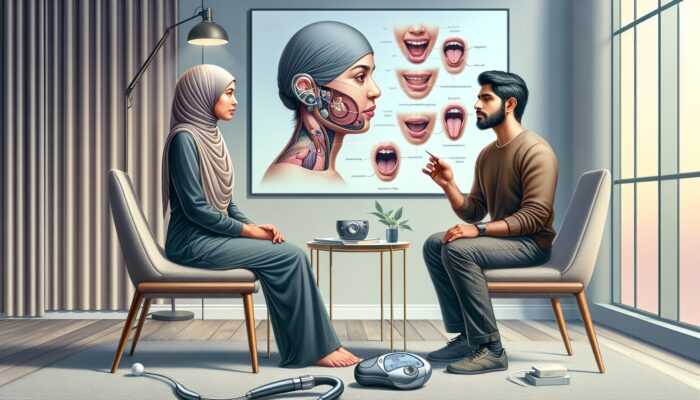
The post Hearing Aids Today: A Modern Look at Accessibility appeared first on Healthcare Marketing Service.